.png)
CUSTOM MILLWORK. EXCEPTIONAL SPACES.
Custom Built-Ins & Wall Units for New York City Homes
Ivenko Studio designs, fabricates, and installs custom built-ins for apartments, brownstones, co-ops, condos, and townhouses across New York City. Our work includes wall units, media walls, built-in bookcases, library cabinetry, home offices, window seats, banquettes, and integrated storage designed around the room and the way it is used.

Custom Built-In Cabinetry for NYC Apartments, Co-ops & Condos
New York interiors often include uneven walls, changing ceiling heights, existing moldings, radiators, shallow recesses, outlets, and limited installation access. Custom built-in cabinetry makes it possible to respond to those conditions while creating storage, display, media, or workspace functions that feel integrated with the room.
Ivenko Studio develops built-ins around verified site dimensions, the items that need to be stored or displayed, equipment requirements, and the architectural character of the home.
- Field conditions, wall dimensions, floors, ceilings, and trim documented on site
- Media equipment, wiring, ventilation, and service access coordinated where required
- Open shelving, closed storage, drawers, and display areas planned around daily use
- Integrated lighting and electrical allowances reviewed before fabrication
- Co-op and condo documentation, COIs, delivery, and scheduling requirements coordinated
- Existing surfaces protected during delivery and installation
What’s Included in a Custom Built-In Project
A full-scope built-in project should reduce uncertainty, not add to it. Careful measurement, reviewed drawings, coordinated selections, and controlled installation help keep the work precise from start to finish.
On-Site Measurement
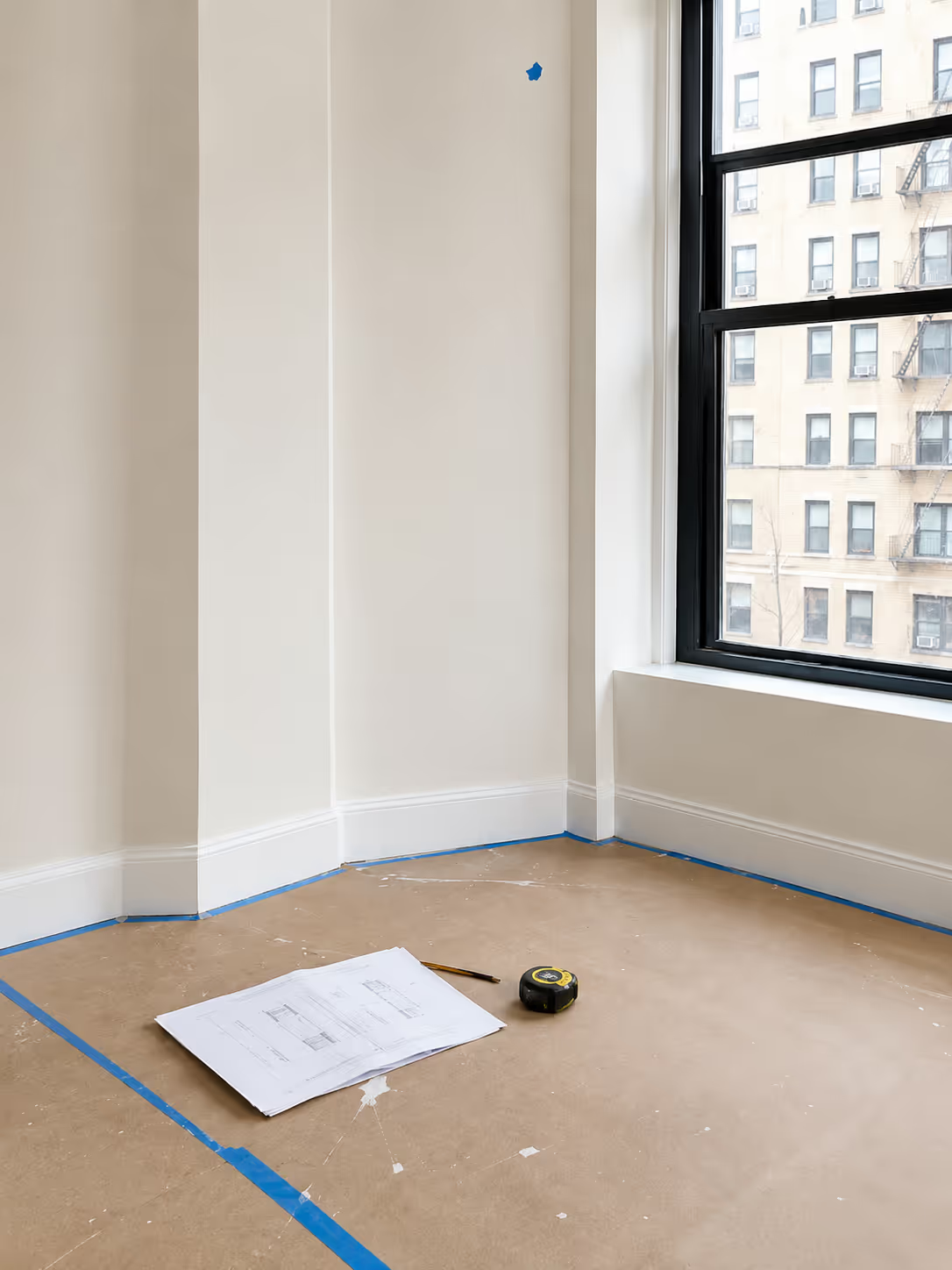
We document walls, floors, ceilings, openings, trim, outlets, equipment, radiators, and other conditions that affect the dimensions, proportion, and installation of the built-in.
Built-In & Shop Drawings
Detailed drawings establish the overall composition, cabinet sizes, shelving, panel lines, doors, drawers, lighting allowances, cable routing, ventilation, materials, and service access as applicable to the project.
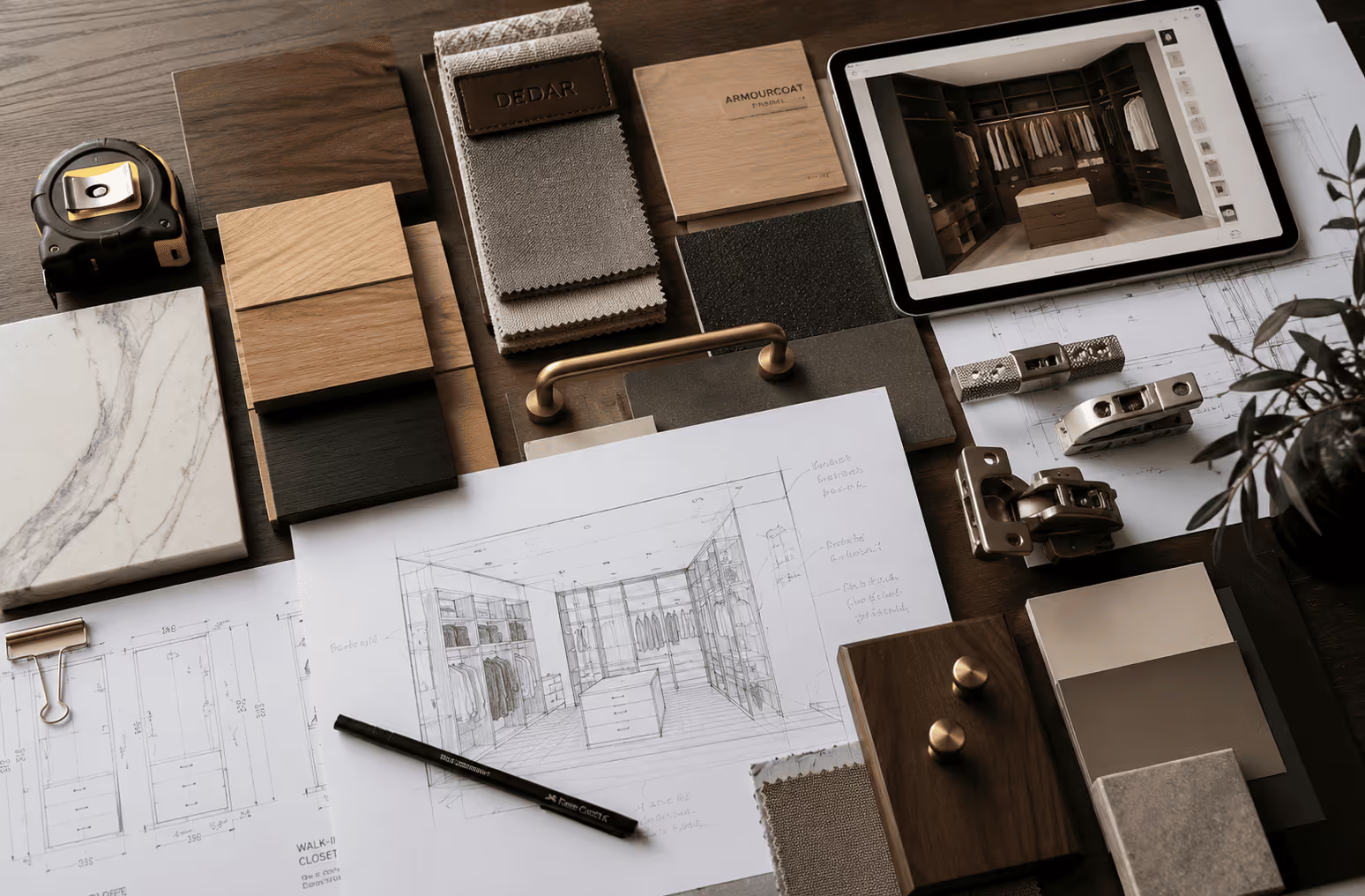
Materials, Finishes & Integration
Woods, veneers, painted finishes, hardware, lighting components, interior materials, and adjacent architectural details are coordinated with the room and intended use.
Fabrication & Installation
Approved project information guides fabrication. Delivery and installation are coordinated around site readiness, building access, surface protection, fitting, alignment, hardware adjustment, and final review.
The Process, Kept Clear
FROM FIRST CONVERSATION TO FINAL INSTALLATION.
Our five-stage process keeps every decision organized and every detail accountable. Discovery, precise measurement, design development, fabrication, and installation are managed as one continuous workflow.
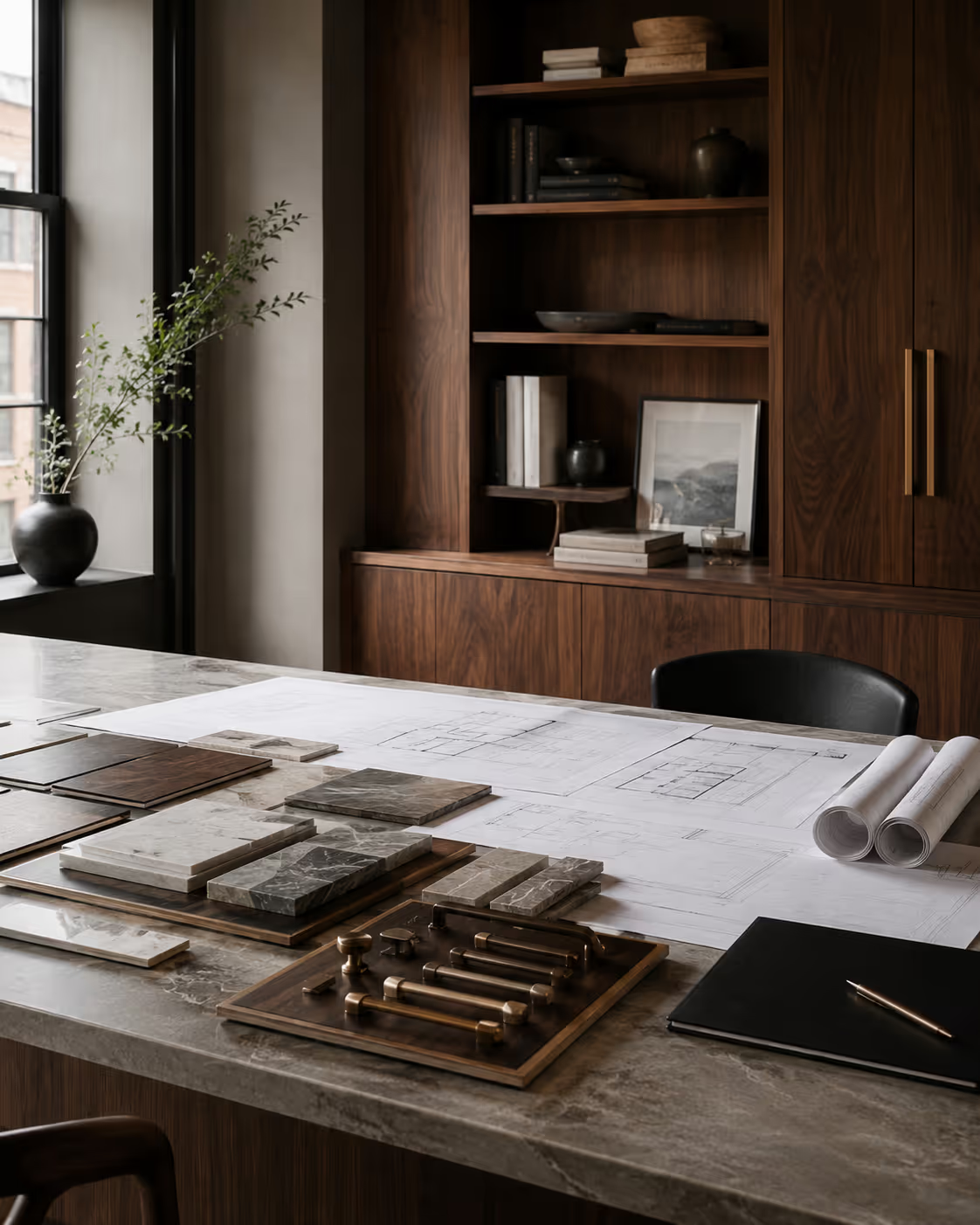
Discovery
We listen to your needs and understand your space and building constraints.
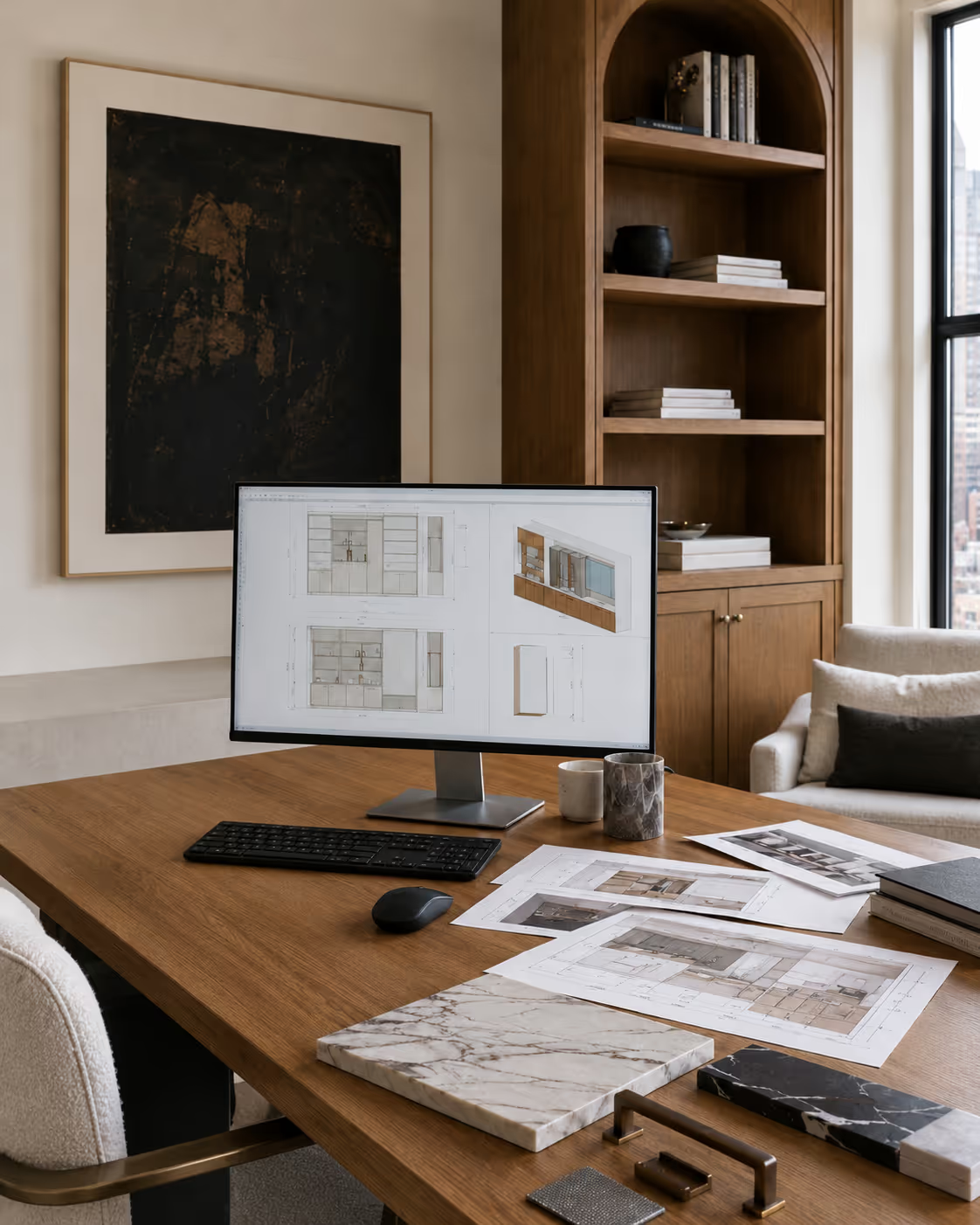
Design
We develop detailed drawings and material specifications for your approval.
.avif)
Fabrication
Our shop builds components to exact specifications with quality control.
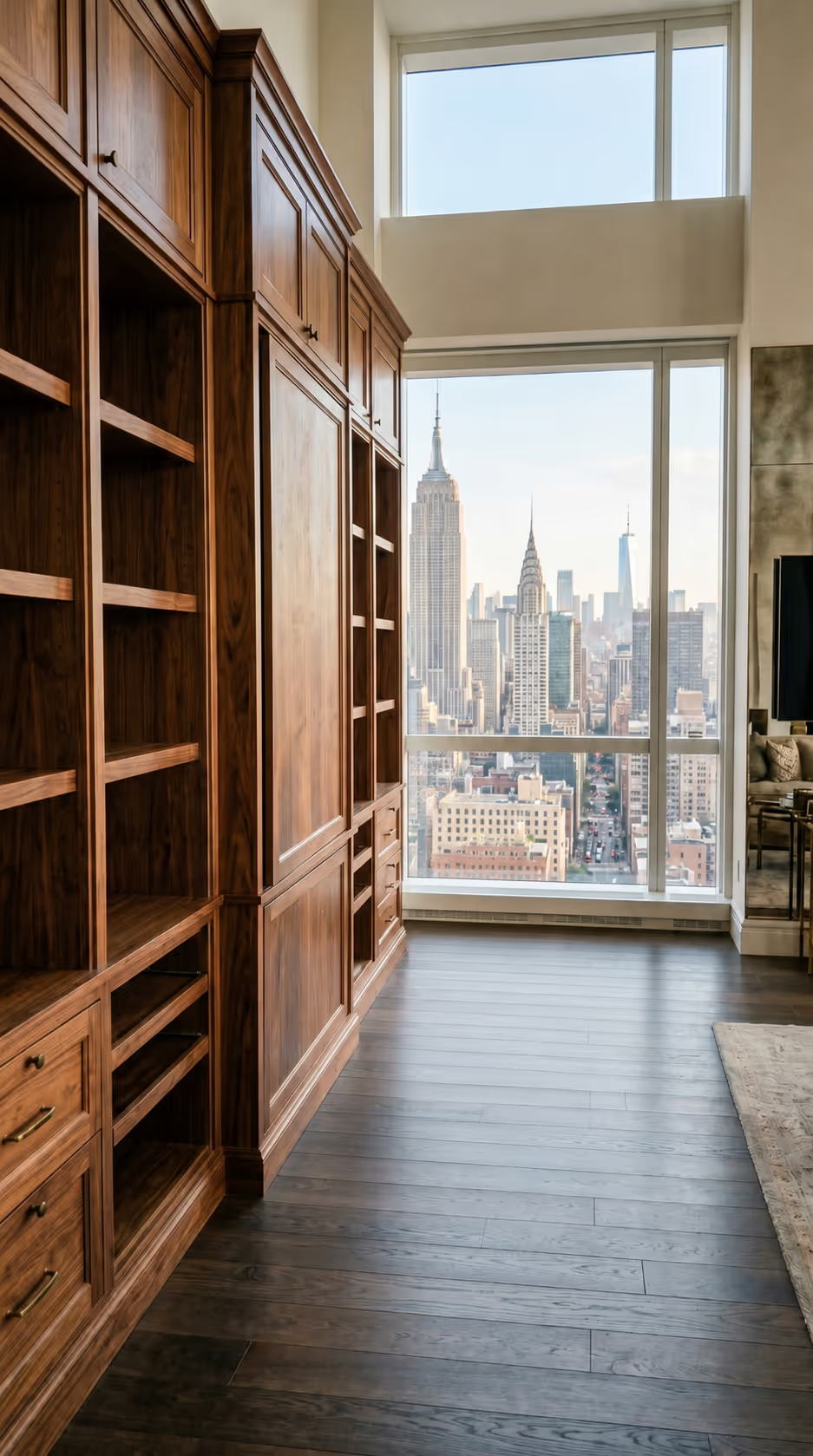
Installation
We install with care, coordinate with your building, and protect your home.
Good work depends on more than design alone. It also depends on proportion, material choice, build quality, and how cleanly everything comes together at the end. That full picture matters to us.
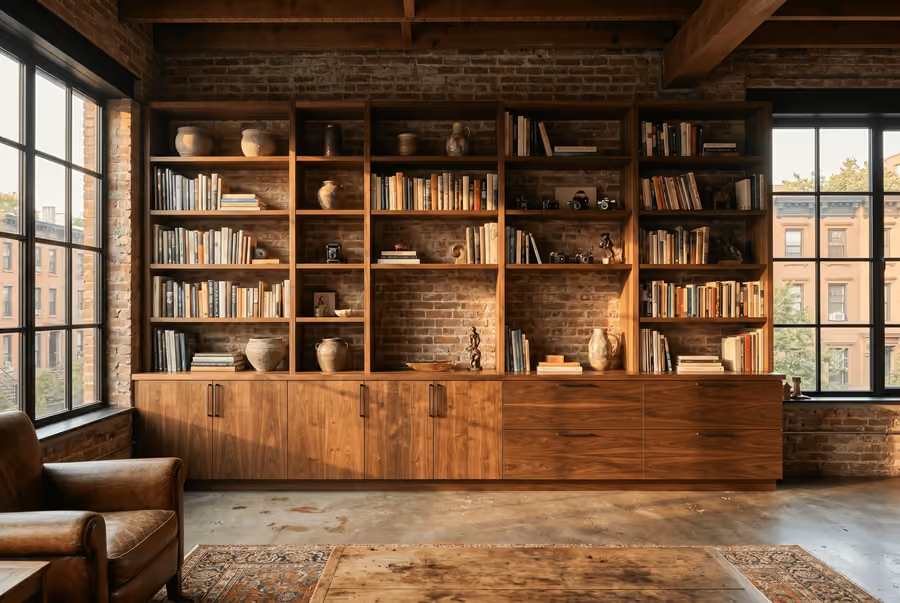
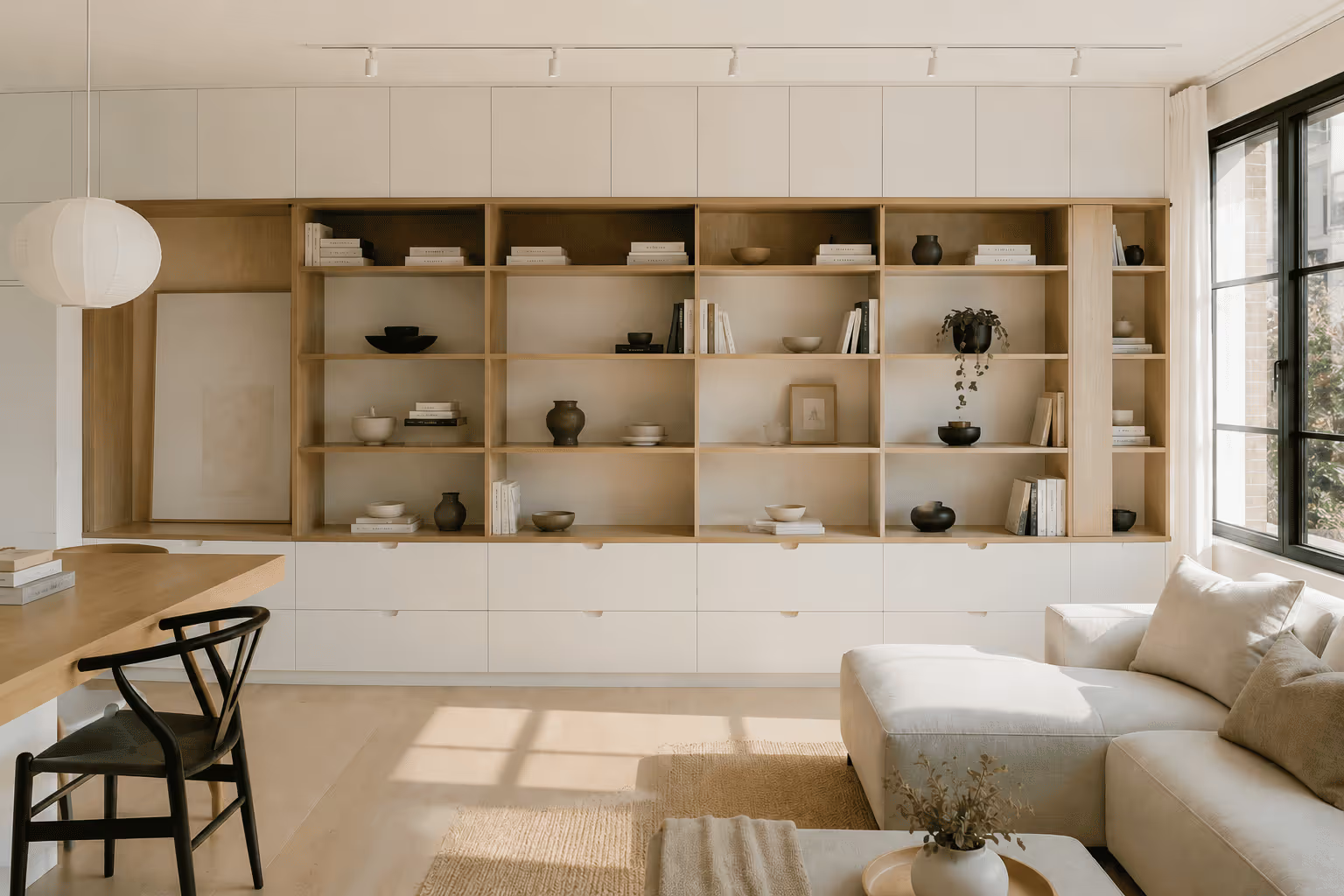
Recent Custom Built-In, Media Wall & Library Projects in NYC
Explore built-in projects designed around different room layouts, media requirements, book collections, storage priorities, and architectural conditions.

Frequently Asked Questions
Practical information about project scope, timelines, site visits, and working in New York City homes.
Ivenko Studio designs wall units, media walls, built-in bookcases, library cabinetry, home office cabinetry, window seats, banquettes, living-room storage, display cabinetry, and other room-specific built-ins. The appropriate solution depends on the room, intended functions, equipment, and architectural conditions.
Yes. A custom media wall may include television framing, concealed wiring, closed equipment storage, ventilation, speakers, display shelving, integrated lighting, and service access. The exact requirements should be established before fabrication begins.
Yes. Built-in bookcases and library cabinetry can combine open shelving, closed storage, drawers, lighting, integrated desks, fireplace surrounds, and other room-specific elements. Shelf dimensions and support are planned around the intended books, objects, and equipment.
Yes. Home office cabinetry may include a built-in desk, file storage, shelving, closed cabinets, lighting, cable management, printer storage, and outlets coordinated with the room and working requirements.
Pricing depends on the size of the built-in, materials, finishes, doors, drawers, hardware, shelving, lighting, media integration, fabrication complexity, site access, and installation conditions. A project-specific estimate can be prepared after the scope and available site information are reviewed.
Yes, where technically appropriate. The design must preserve required airflow, service access, clearances, controls, and surrounding architectural conditions. These requirements should be documented before the built-in enters fabrication.
Timing depends on measurement, design development, approvals, materials, fabrication complexity, building requirements, site readiness, and installation coordination. A project-specific schedule is established after the scope is understood.
Yes. Projects may require certificates of insurance, management documentation, freight-elevator reservations, delivery windows, protection of common areas, and compliance with building work rules.
Yes. We can coordinate drawings, finish references, lighting, equipment, hardware, architectural details, approval points, and installation requirements with a broader residential design package.
Still Have a Question?
Call or email the studio, or use the project form above. We’ll help you understand whether Ivenko Studio is the right fit for your space, goals, and timeline.
Get in touch
Share your project details
and we'll respond promptly.
Custom Built-Ins, Wall Units & Bookcases for New York Homes
Custom built-ins in NYC need to solve practical storage and layout problems without making the room feel crowded or overly constructed. Ivenko Studio designs and builds wall units, media walls, bookcases, library cabinetry, home offices, window seats, and integrated storage for apartments, brownstones, co-ops, condos, and townhouses throughout New York City.
Unlike freestanding furniture, built-in cabinetry can be developed around the actual dimensions and architectural conditions of a room. Uneven walls, changing ceiling heights, existing moldings, shallow alcoves, radiators, outlets, pipes, and limited floor area can all influence the layout. Field measurement allows those conditions to be addressed before fabrication rather than improvised during installation.
Custom wall units can combine open shelving, closed cabinets, drawers, display areas, and integrated lighting in one composition. In a living room, the built-in may need to organize books, art, media equipment, toys, games, or everyday storage while maintaining balanced proportions across the wall.
A custom media wall introduces additional technical requirements. Television dimensions, speakers, soundbars, wiring, ventilation, controls, removable panels, equipment depth, and service access should be coordinated with the cabinetry design. These details allow the finished media wall to look clean while remaining practical when equipment needs to be operated, maintained, or replaced.
Built-in bookcases and library cabinetry can be designed around a specific collection, room height, fireplace, doorway, window, or architectural opening. Shelf spacing, depth, support, lighting, drawers, closed storage, and an integrated desk can be combined according to what the room needs to hold and how the space will be used.
Home office cabinetry may include a fitted desk, bookcases, file storage, printer cabinets, cable management, task lighting, and closed storage for equipment or supplies. By integrating those functions into the room, the remaining floor area can stay more open and the workspace can feel connected to the surrounding interior.
Materials and finishes influence both the appearance and performance of custom built-ins. Painted cabinetry, natural wood, veneer, glass, metal details, integrated pulls, decorative hardware, and interior lighting create different results. Proportion, panel alignment, shelf thickness, door and drawer relationships, and the way the built-in meets adjacent walls, floors, ceilings, and trim are equally important.
Ivenko Studio coordinates built-in cabinetry through field measurement, design development, drawings, material selection, fabrication, delivery, and installation. Review our design-to-install process to understand how these stages are managed from initial scope through final installation.
Where a radiator, PTAC, or HVAC unit is part of the wall composition, radiator covers and HVAC enclosures can be coordinated with adjacent shelving, window seats, or storage while preserving airflow, controls, and service access. For projects focused primarily on clothing and dressing-room organization, explore our custom closets and built-in storage.
Larger projects may combine built-ins with wall paneling, vanities, kitchen cabinetry, trim details, and other custom millwork services across several rooms. Coordinating those elements as part of one design direction can create stronger continuity throughout the home.
Explore completed built-in cabinetry and media wall projects to see how storage, display, materials, equipment, and architectural conditions come together in finished New York interiors. To discuss the room, intended functions, location, photographs, drawings, and preferred timeline, start your custom built-in project.