.png)
CUSTOM MILLWORK. EXCEPTIONAL SPACES.
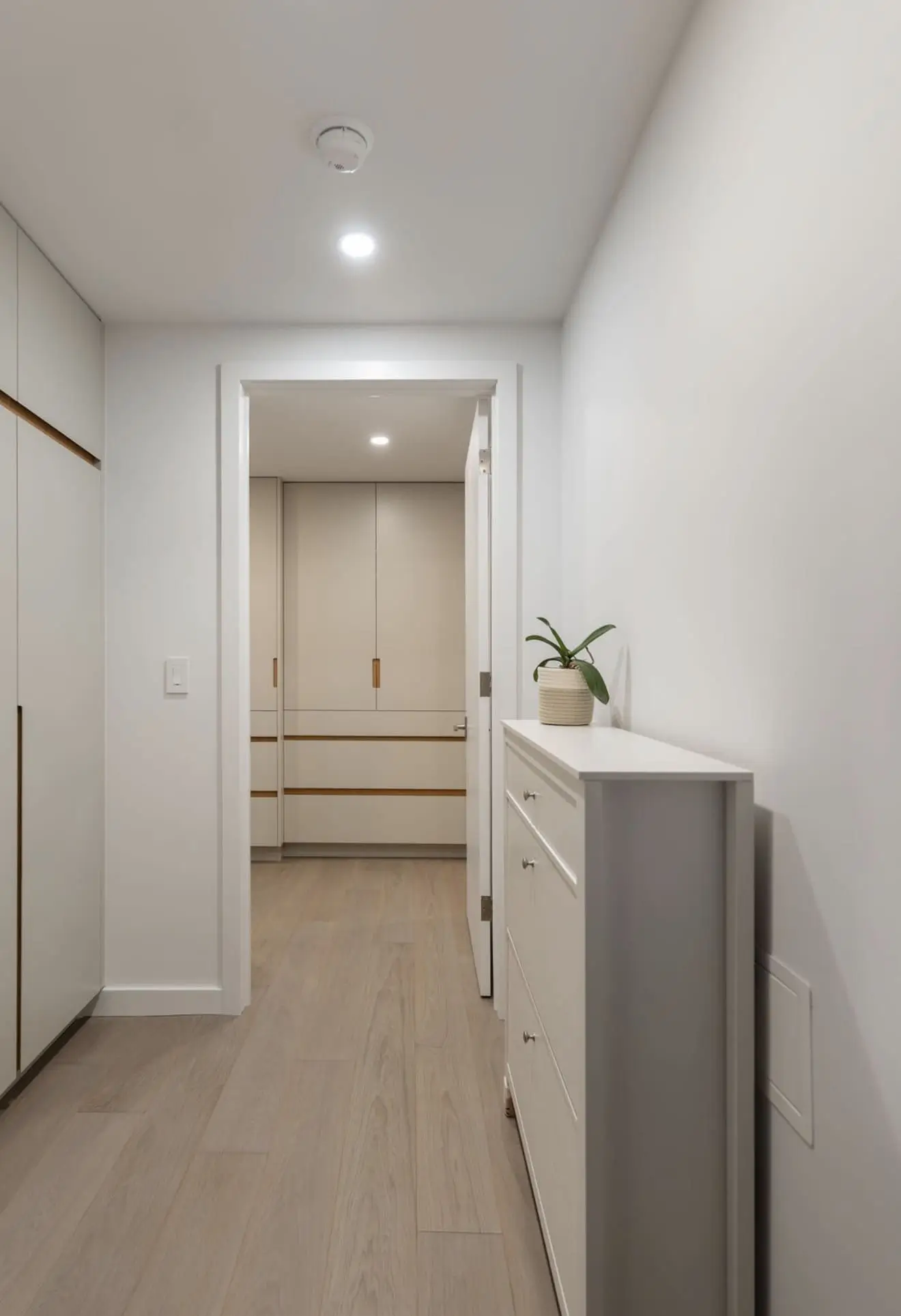
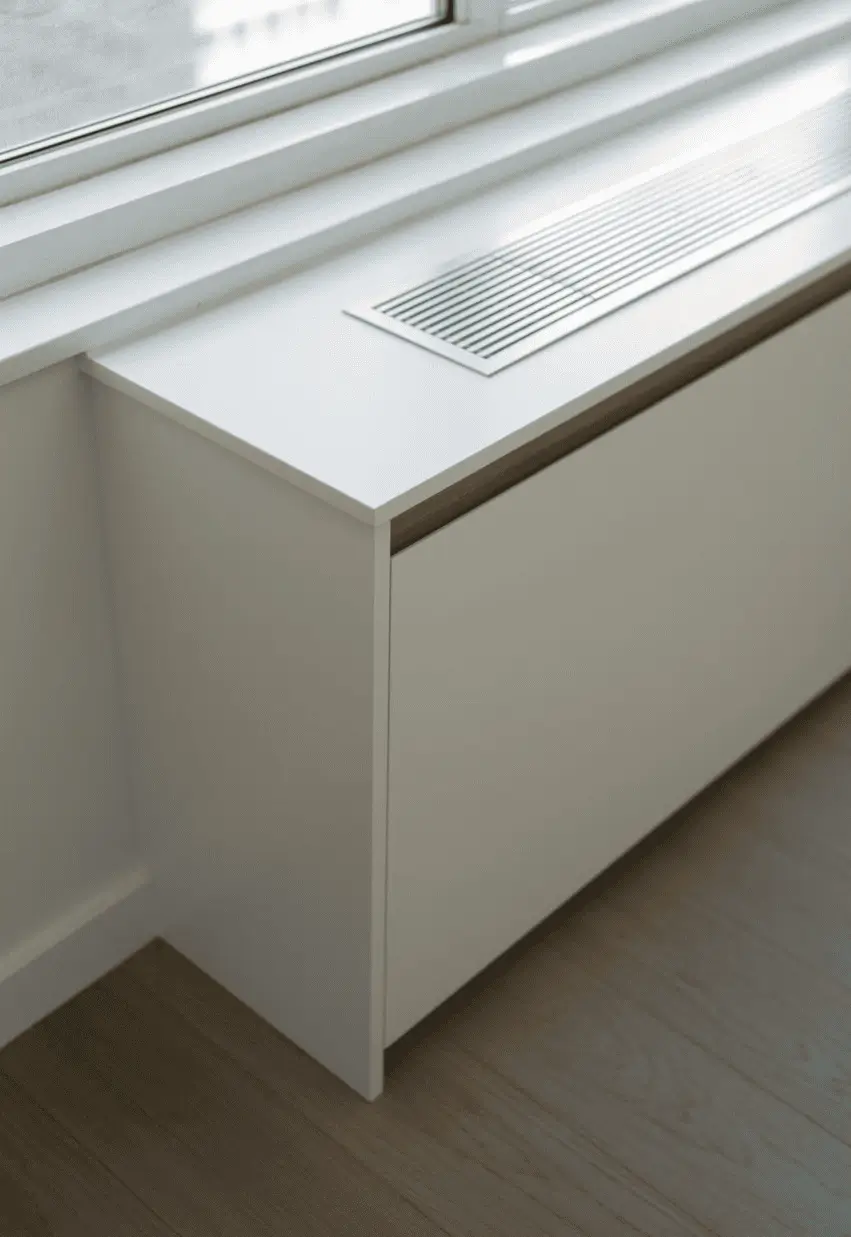
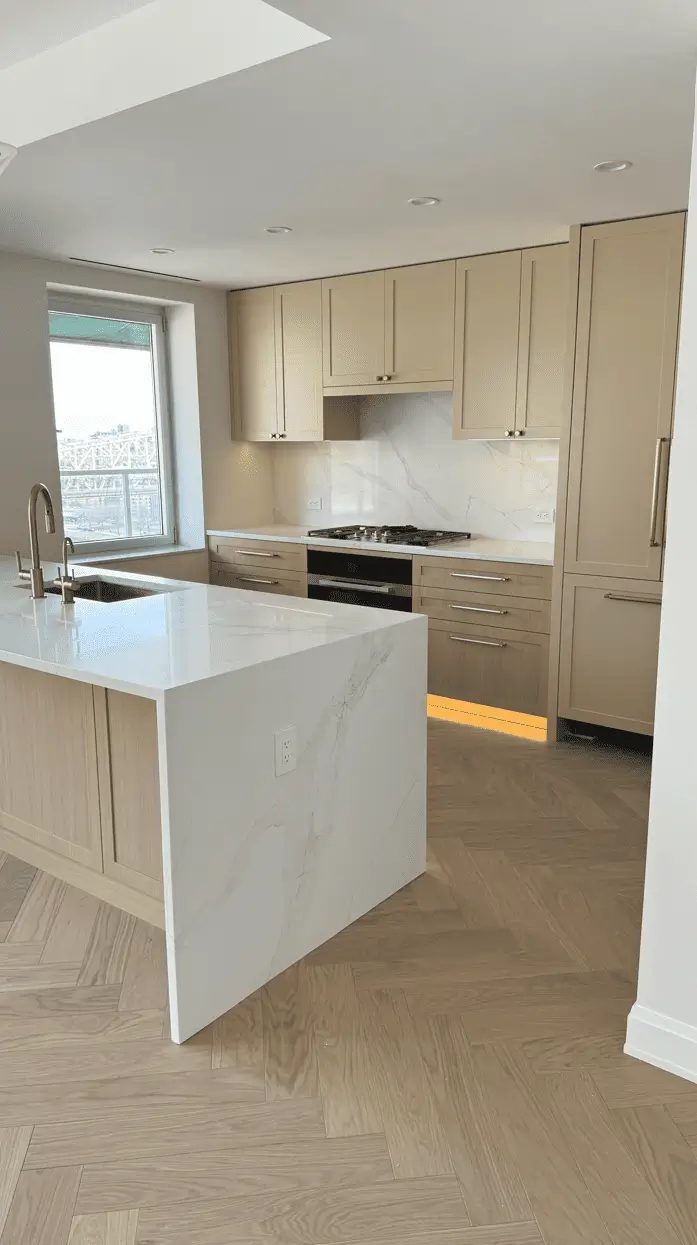
Portfolio Custom Cabinetry, Kitchen & Millwork Projects
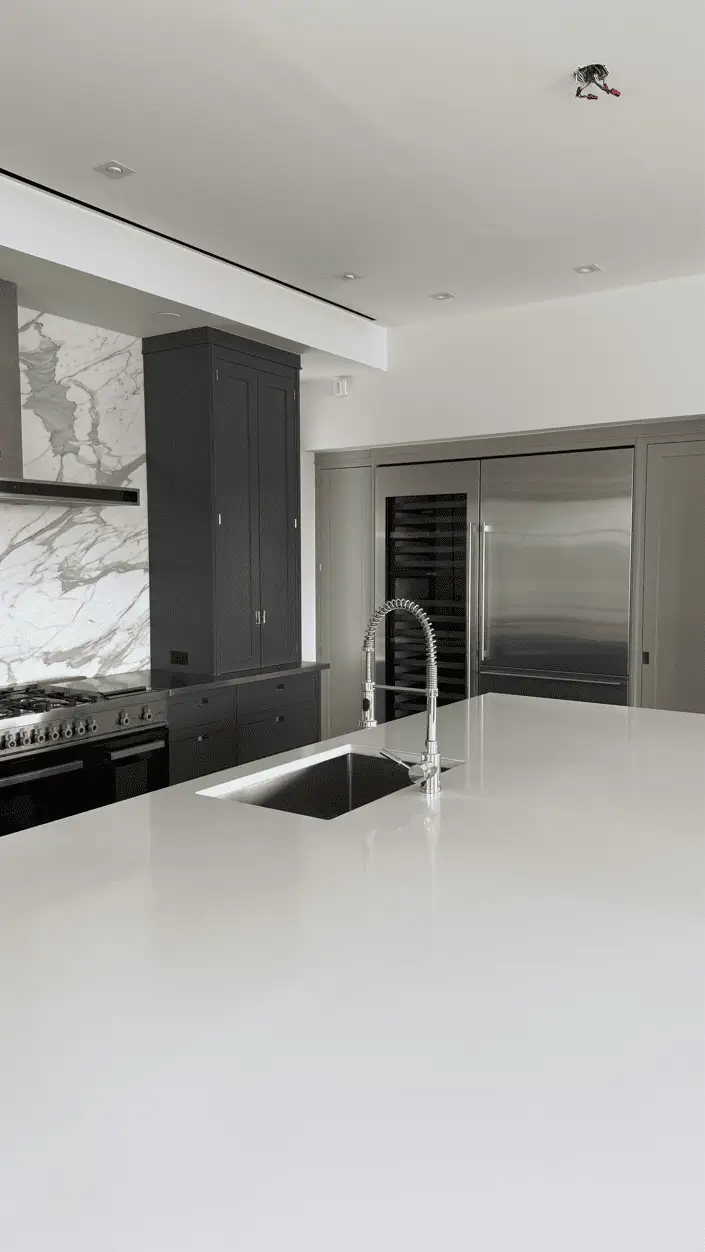
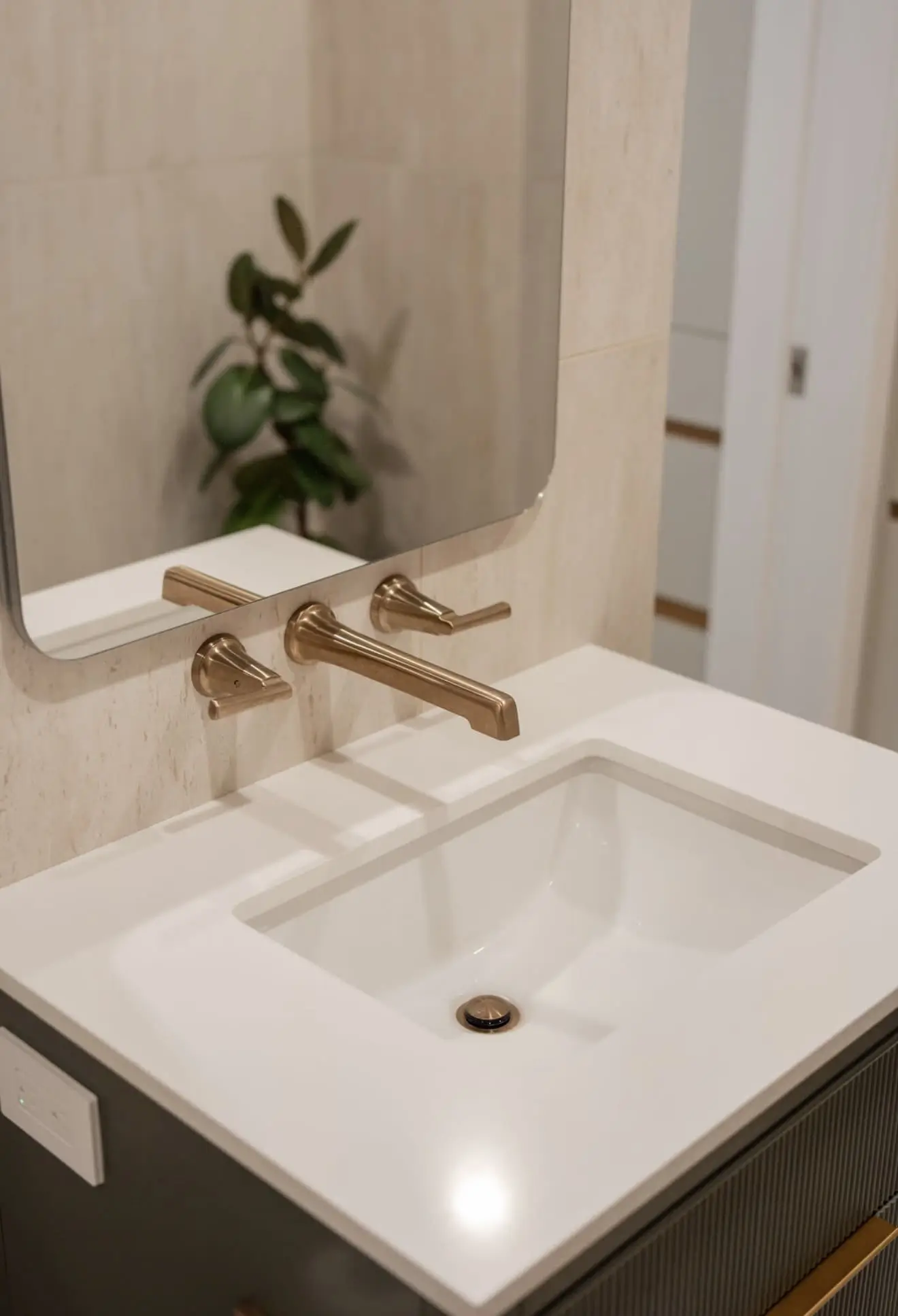
Explore completed custom kitchens, built-ins, architectural millwork, radiator covers, and HVAC enclosures designed for apartments, brownstones, co-ops, condos, and townhouses across New York City.
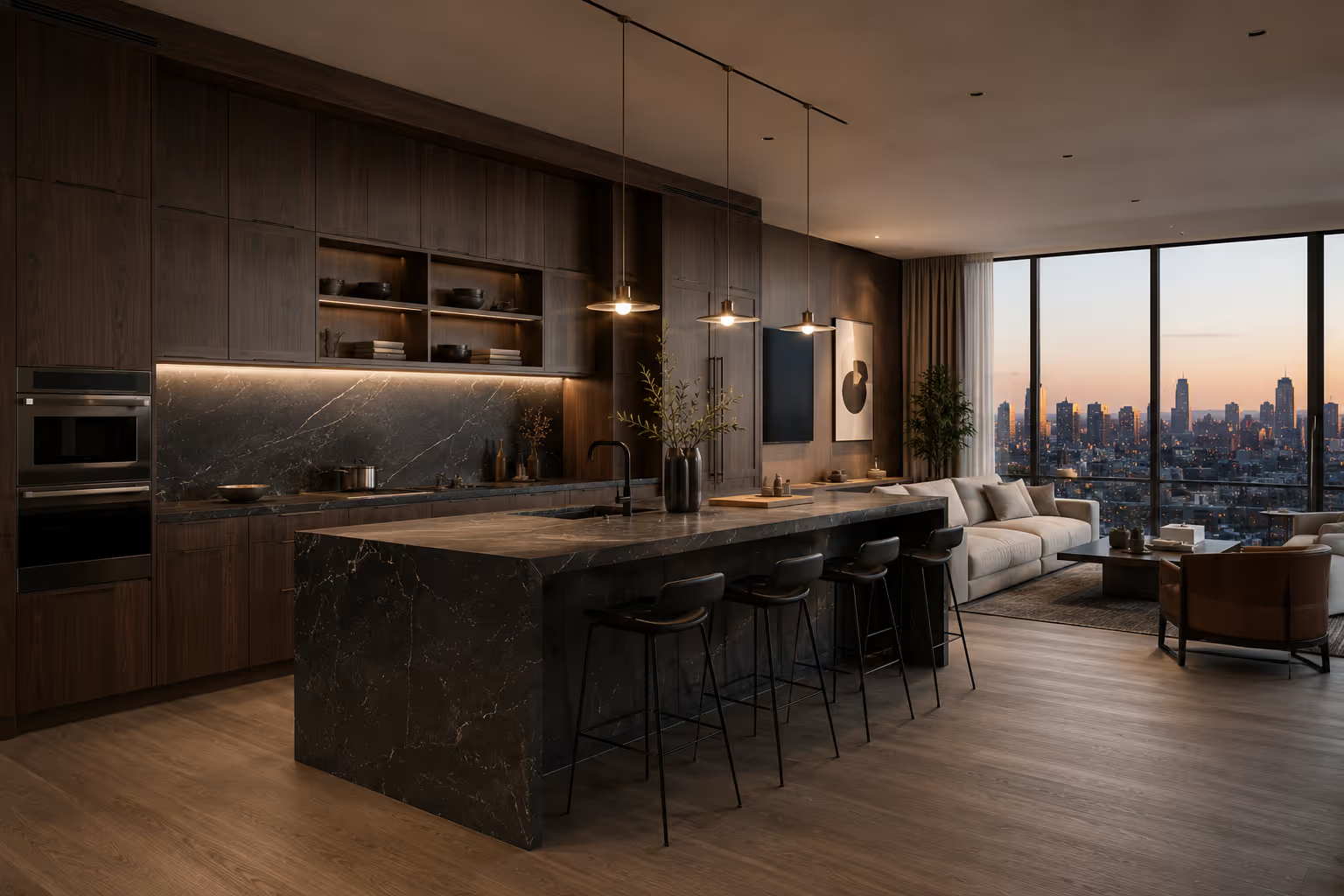
Recent projects across NYC
The projects here should say something beyond style alone. They should show how the work fits the room, supports daily life, and holds the space together.
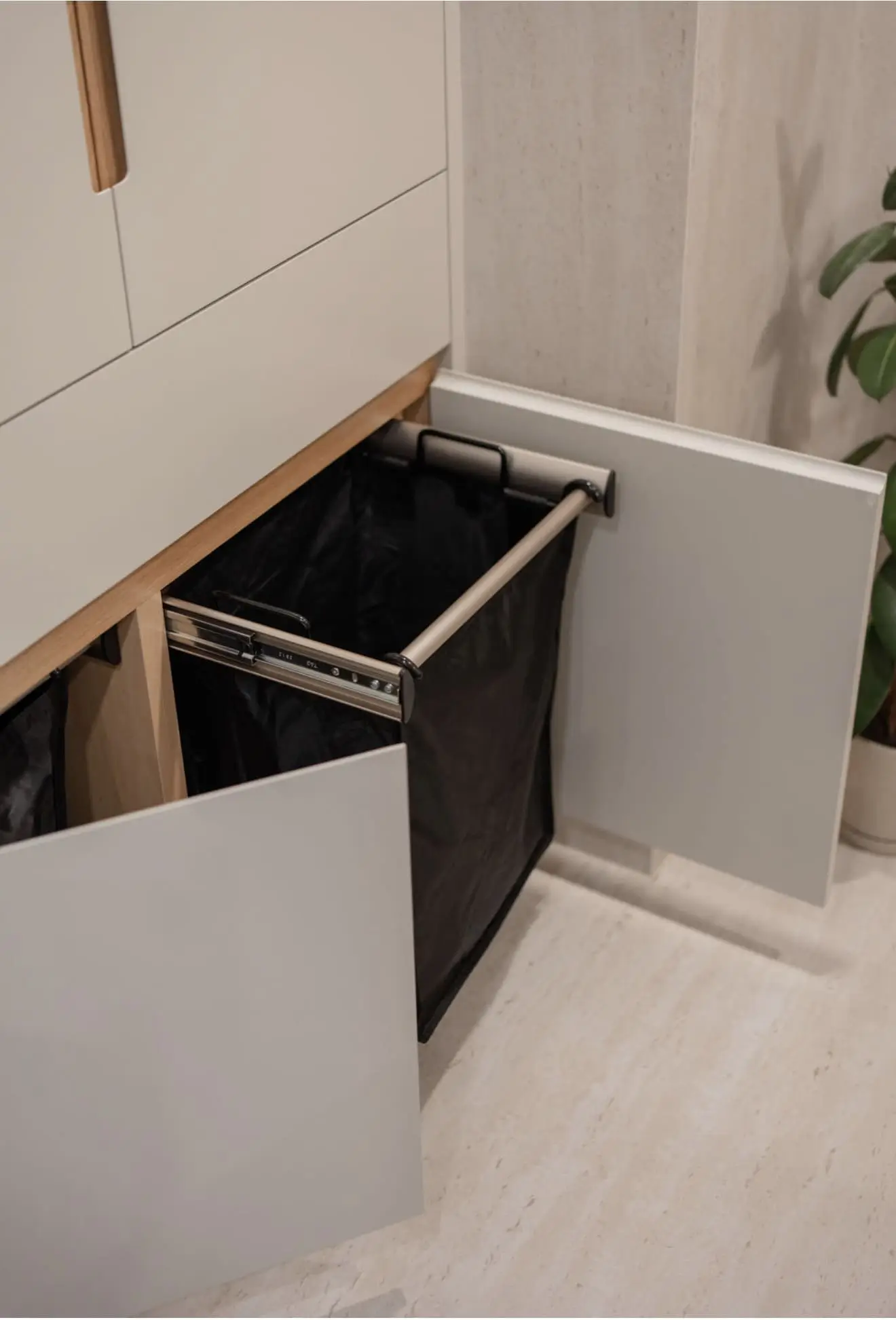
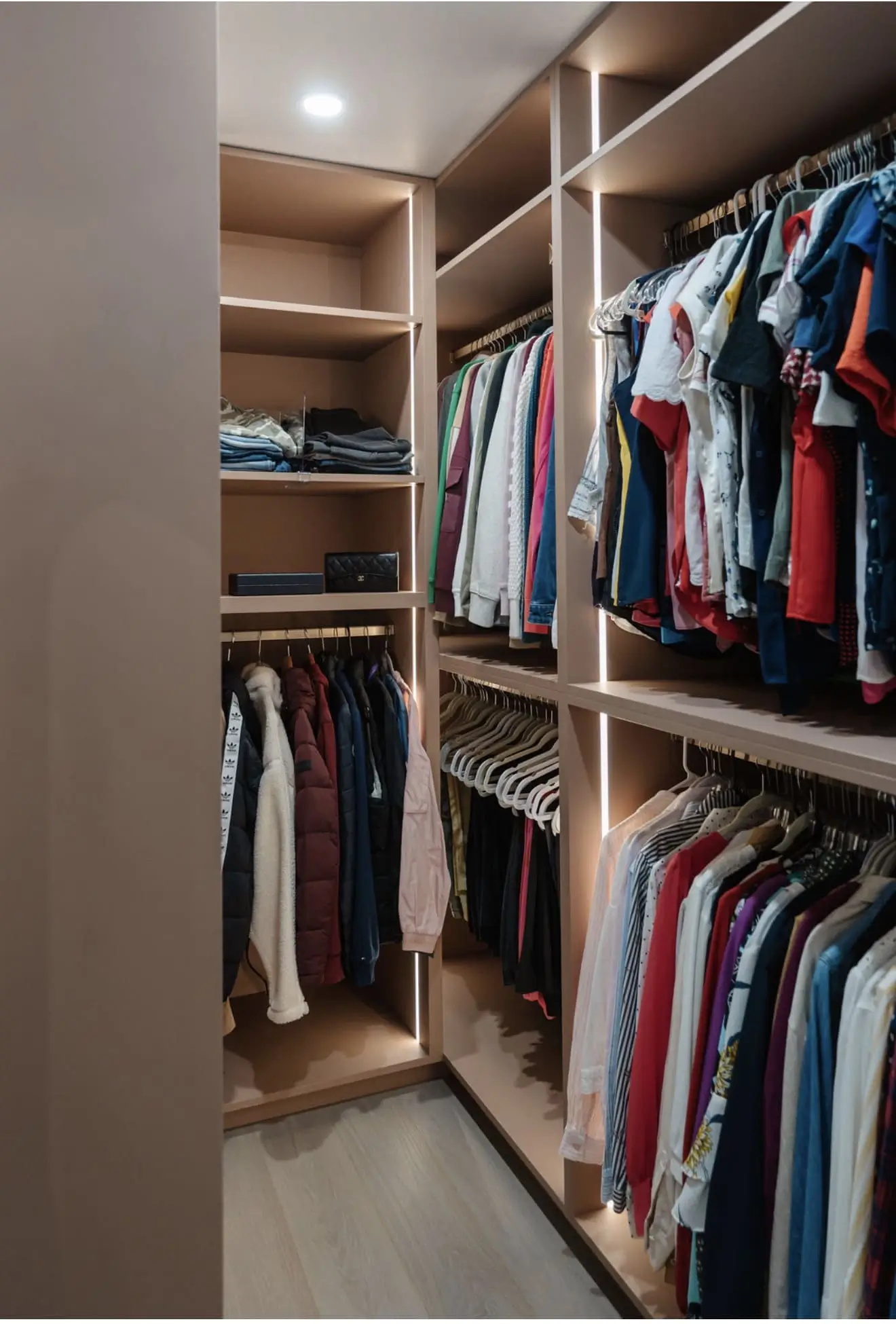
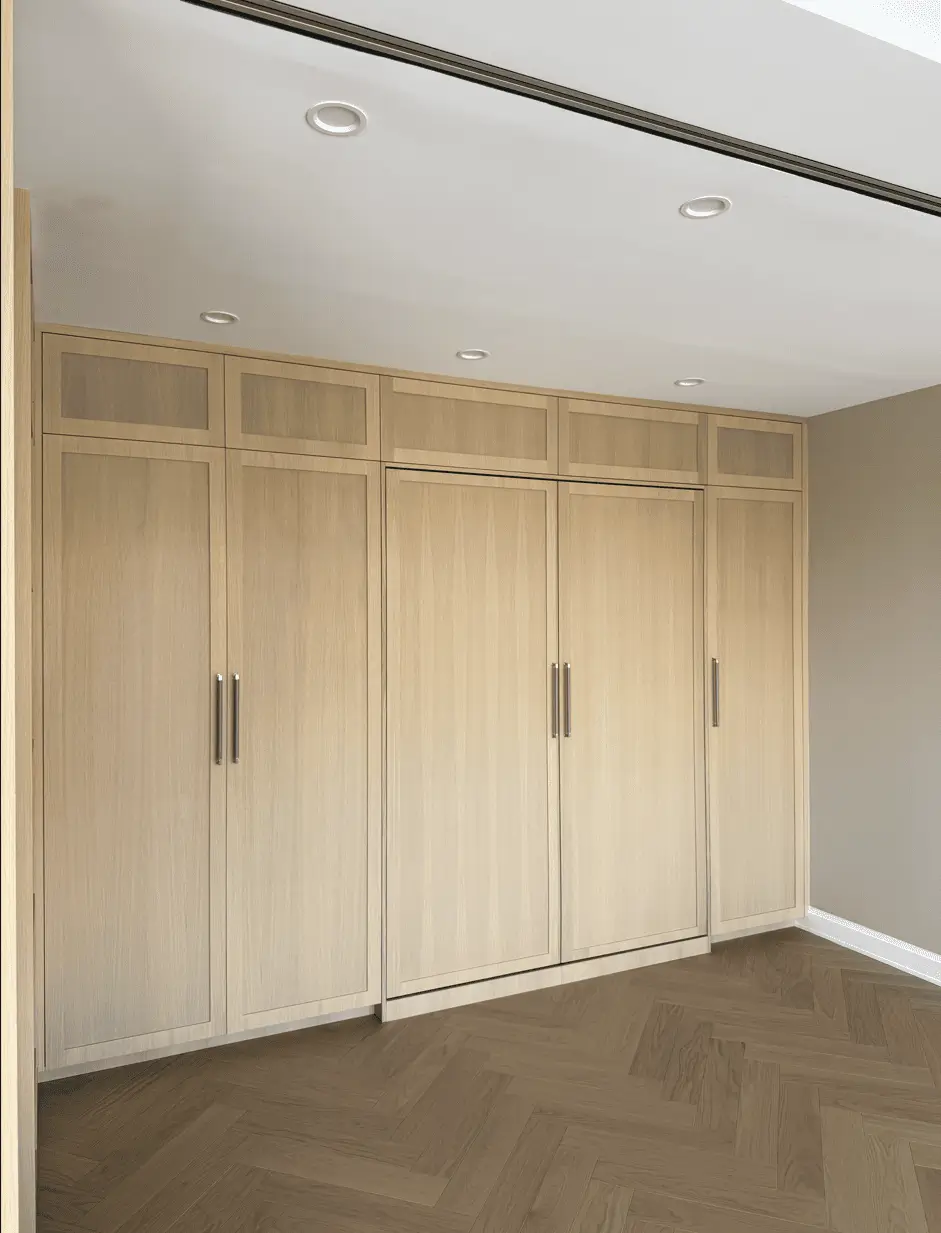
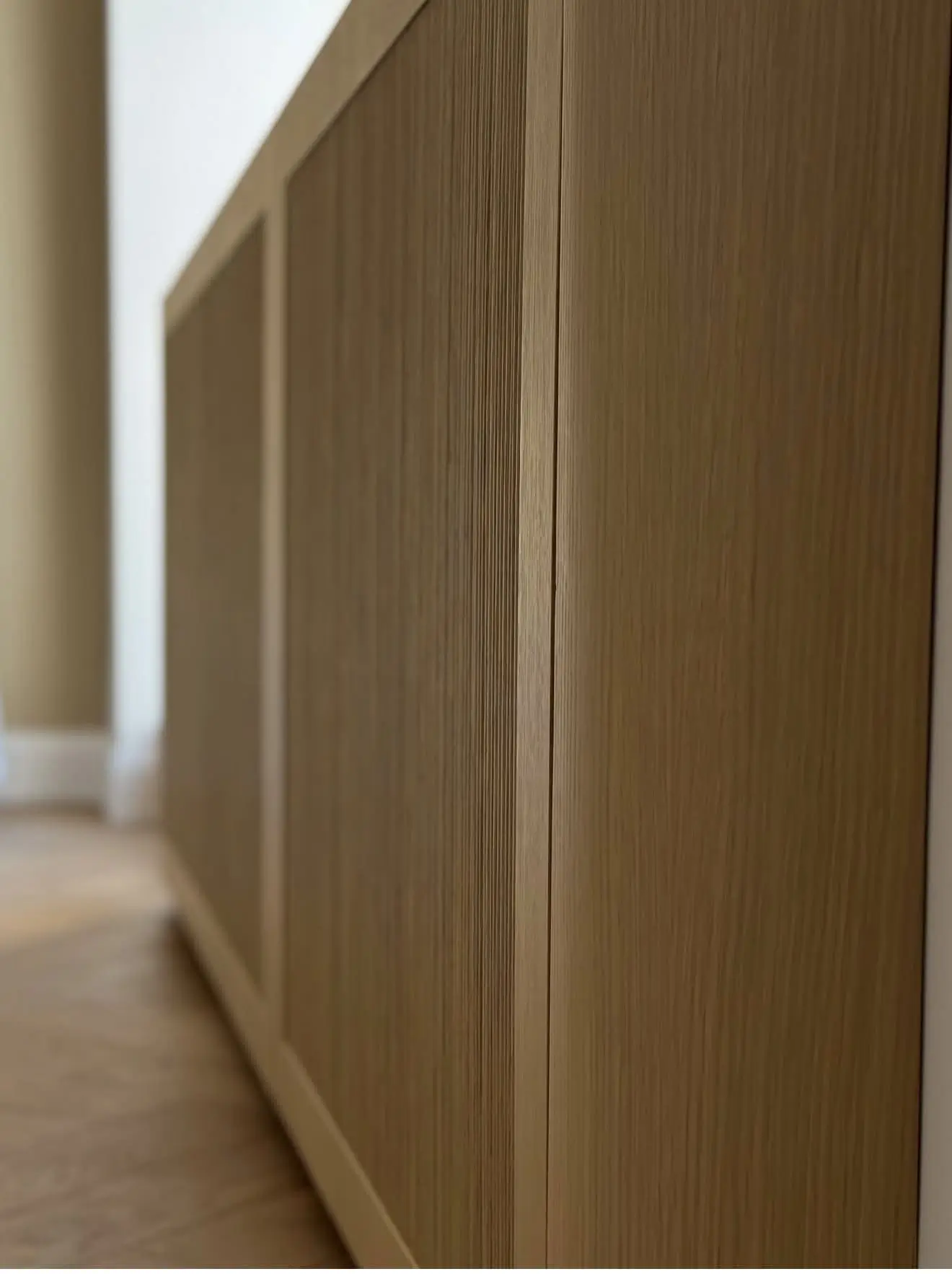
Ready to Begin?
Thoughtful design and precise fabrication start with a productive first conversation. Send us your project details, and our team will help you understand the possibilities, process, and next steps.
Custom Cabinetry & Millwork Portfolio in NYC
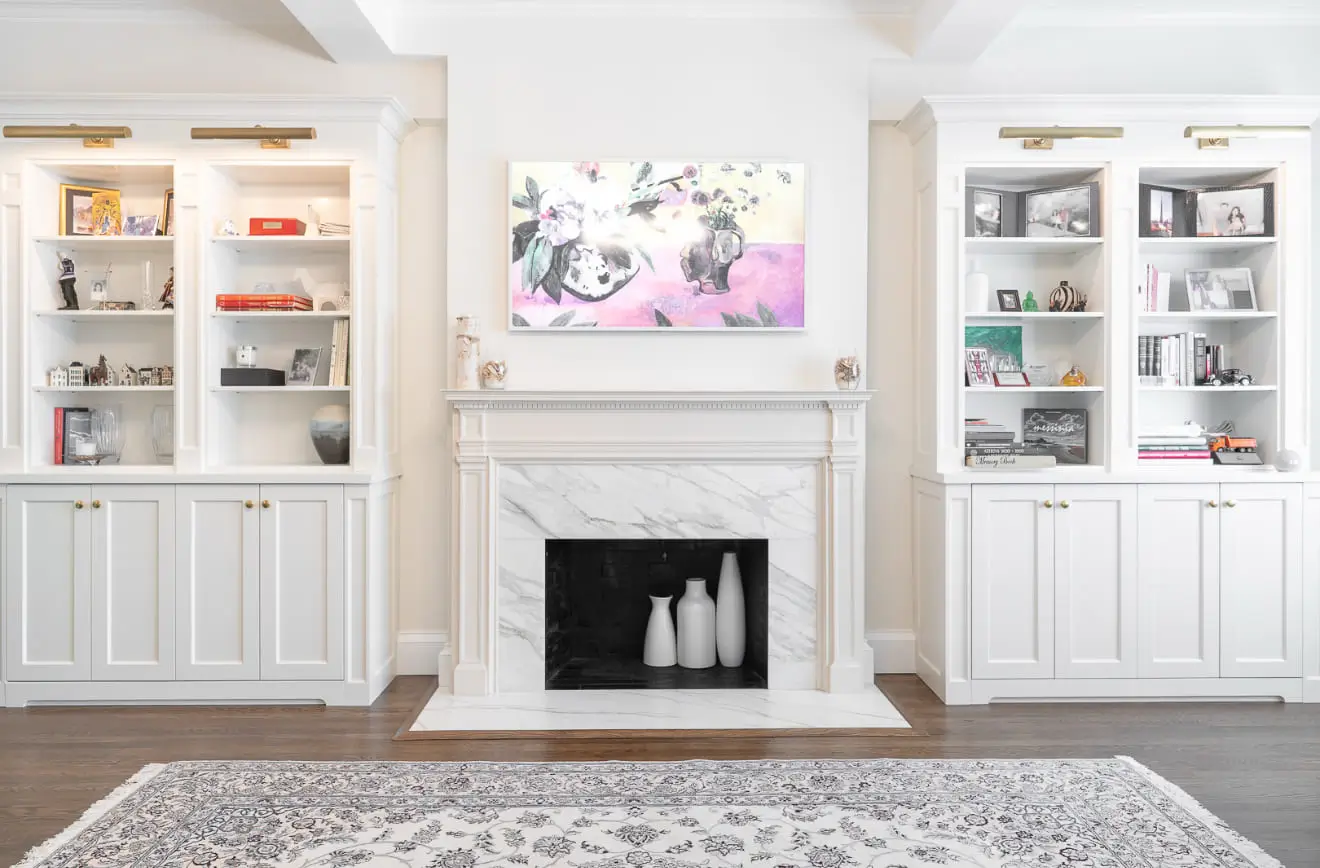
A portfolio is more than a gallery of finished rooms. For custom cabinetry and millwork, it shows how design decisions solve real problems: storage that disappears into the architecture, a kitchen layout that finally works, a built-in wall unit that brings order to a living room, or a radiator cover that makes a difficult corner look intentional. The work featured by Ivenko Studio reflects the kind of detailed, space-specific cabinetry that New York homes often require.
Every project begins with a different set of conditions. Some apartments need custom kitchen cabinets that maximize vertical storage without making the room feel heavy. Others need built-ins that hide equipment, frame a fireplace, support a home office, or create a more finished living area. Custom closets and built-in storage projects may focus on organization, while radiator covers and HVAC enclosures often need to combine ventilation, access, safety, and visual design. Looking at completed work helps homeowners understand how these details come together in practice.
When reviewing a custom cabinetry portfolio in NYC, it is useful to look beyond the first impression. Notice how the cabinetry meets the ceiling, how drawers and doors align, how open shelving is balanced with closed storage, and how the finish relates to flooring, walls, stone, hardware, and lighting. Good millwork should feel integrated. It should improve the room without overwhelming it, and it should support the daily routines of the people who live there.
The portfolio also helps clarify style. Custom cabinets can be minimal and contemporary, warm and natural, traditional and paneled, or somewhere in between. A strong project is not defined only by the style category, but by proportion, material selection, fit, and consistency. In New York interiors, where rooms are often compact or irregular, small decisions make a big difference. A few inches of extra depth, a concealed outlet, a vented panel, or a better drawer layout can change how the room functions.
Use these projects as a starting point for your own plans. Whether you are considering custom kitchen cabinetry, built-in bookcases, closets, media walls, or radiator covers, the best results come from adapting proven ideas to your specific space. Ivenko Studio approaches each project with that mindset: design the cabinetry around the room, build it with care, and make the finished piece look as though it was always meant to be there. Learn more about our design-to-install process, from field measurements and design development through fabrication and installation.
A completed project can also help clarify what is possible in your own home. You may notice a cabinet layout that would solve a similar storage issue, a wall unit that fits the style you prefer, or a kitchen detail that would work well in a compact apartment. These references are useful during the early planning stage because they make conversations about proportion, finish, and function more specific.
When you review the work, think about the spaces in your home that feel unfinished or underused. A portfolio image may inspire a full kitchen, but it may also suggest a smaller solution: a better entry cabinet, a custom closet, a bookcase wall, a concealed media unit, or a radiator cover that makes a room look complete. Ivenko Studio uses this kind of project-specific thinking to create cabinetry that fits the home rather than simply repeating a standard design.