.png)
CUSTOM MILLWORK. EXCEPTIONAL SPACES.
Custom Cabinetry & Millwork in Tribeca
Ivenko Studio designs, fabricates, and installs custom cabinetry for Tribeca lofts, condos, and full-floor homes. Our work may connect kitchen cabinetry, built-ins, library walls, custom closets, media storage, radiator and HVAC enclosures, and other architectural millwork through one considered system of proportions, materials, and details.
Each room has its own practical requirements, but the cabinetry should still feel as though it belongs to the same home. We plan individual elements around their function while considering how they relate to adjoining spaces, long views, existing finishes, and the wider interior.
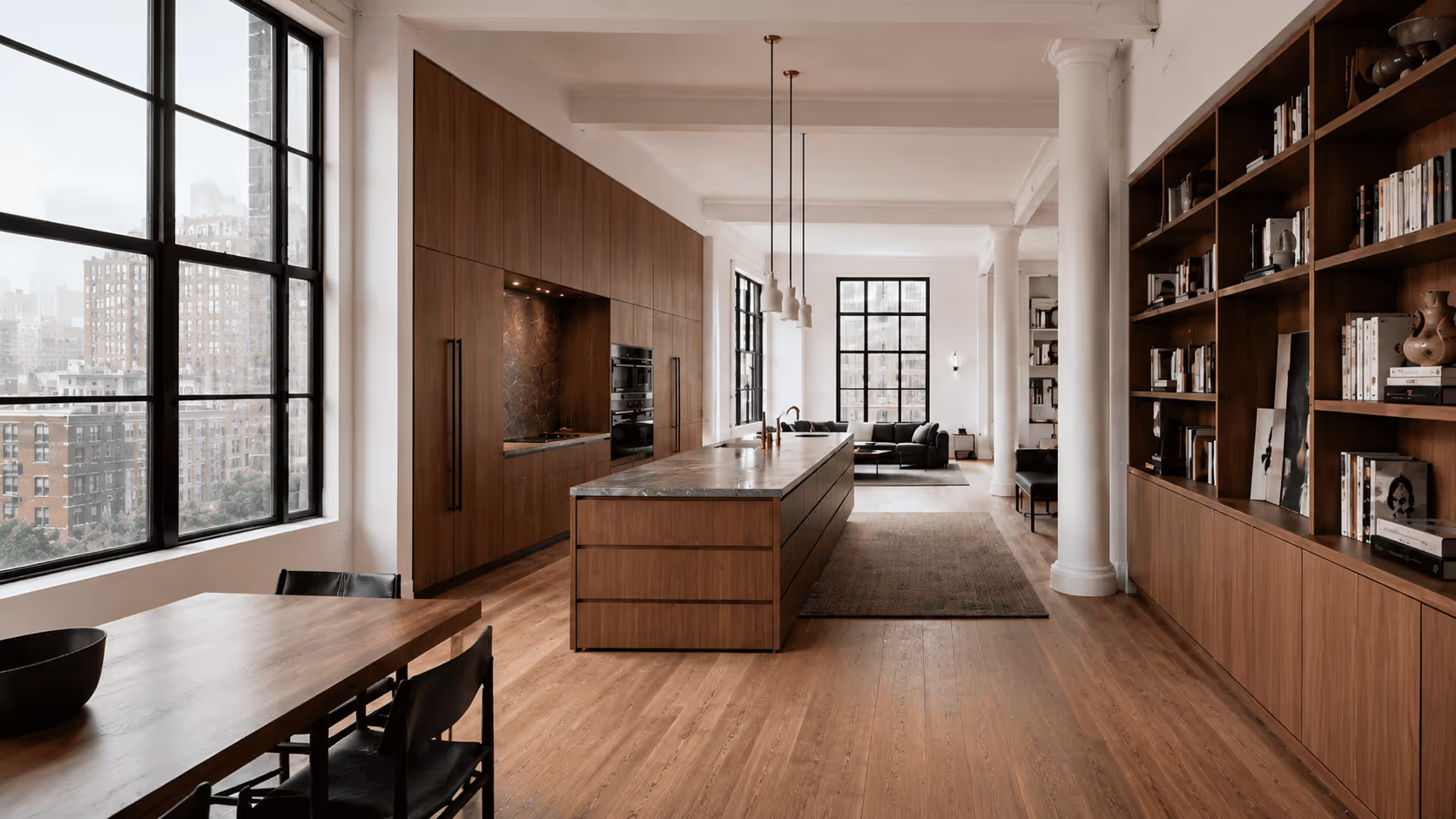
Custom Cabinetry for Tribeca Lofts, Condos & Full-Floor Homes
In a larger Tribeca home, cabinetry is rarely experienced as a series of isolated pieces. The kitchen may open directly into the dining and living areas. A library wall may be visible from the entry. Bedroom storage, hallway cabinetry, and a home office may all need to feel related without looking identical.
Ivenko Studio documents the existing conditions, access routes, equipment, surrounding materials, and practical requirements before fabrication begins. This allows the cabinetry to be developed as part of the wider home rather than resolved one room at a time.
- Field measurement of walls, floors, ceilings, openings, and existing details
- Review of long views and relationships between adjoining rooms
- Appliance, equipment, lighting, wiring, and ventilation coordination
- COI, elevator, delivery, and building access planning where required
- Component sizing around elevators, corridors, doors, and installation routes
- Protection of common areas and occupied interiors
- Final fitting coordinated with surrounding floors, walls, ceilings, and trim
A Connected Millwork Approach for Tribeca Homes
A kitchen, library wall, dressing room, and media cabinet may belong to different parts of the home, but they often need to speak the same design language. We develop each element around its own function while coordinating proportions, materials, panel lines, hardware, and visible transitions across the project.
Custom Kitchens at the Center of the Plan
A Tribeca kitchen often occupies a central position within the home. The cabinetry therefore needs to work as an efficient cooking and storage system while also contributing to the wider interior.
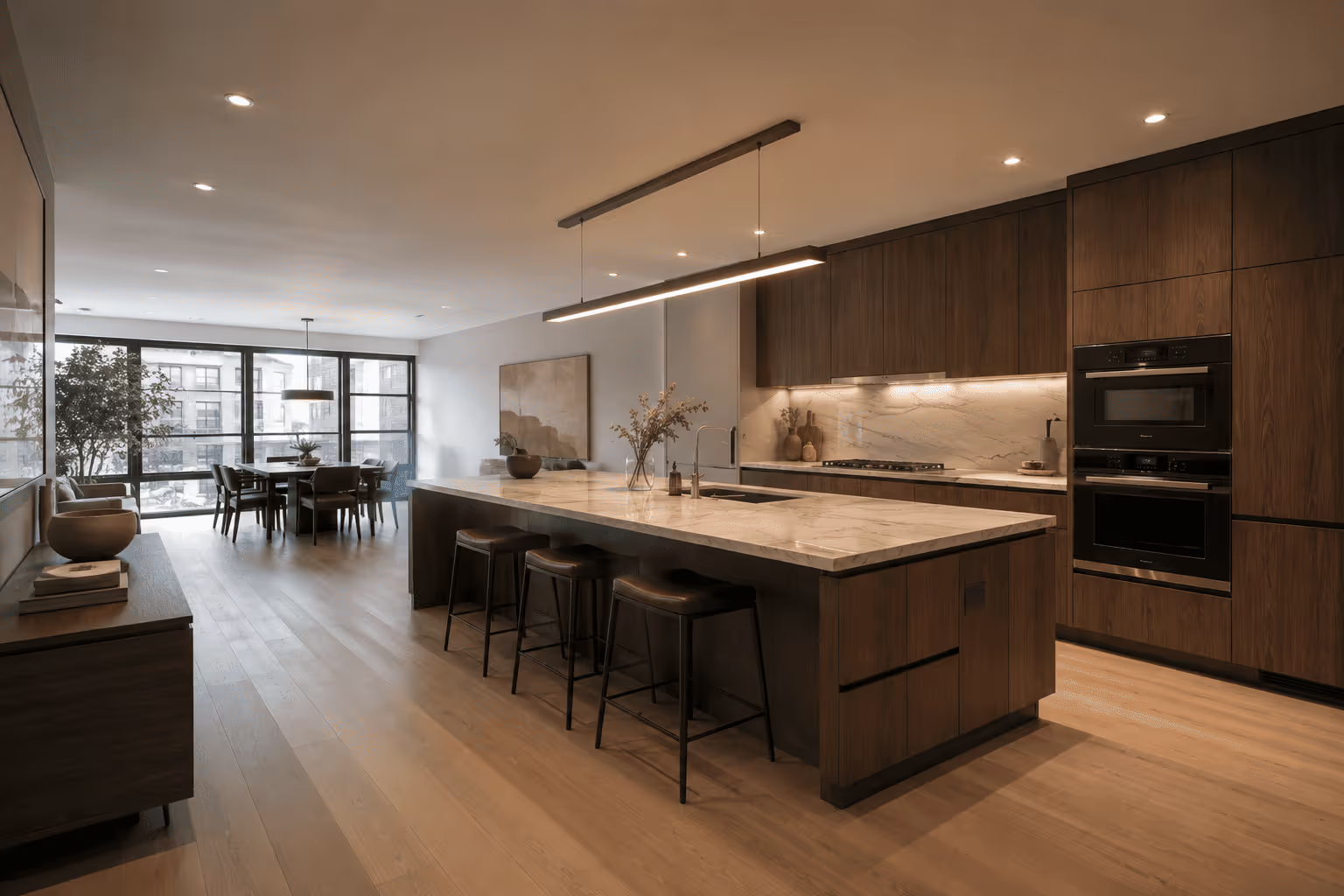
We plan custom kitchen cabinets around appliance specifications, workflow, pantry storage, islands, lighting, utilities, circulation, and the views into the kitchen from nearby living and dining areas. Depending on the project, selected European, German, and Italian kitchen products can also be incorporated where their construction, finishes, storage systems, and available dimensions suit the room.
Custom Closets & Dressing-Room Storage
A generous bedroom does not automatically produce an effective closet. Hanging sections, drawers, shoe storage, shelving, accessories, lighting, doors, and upper storage still need to be planned around the actual belongings and routines of the homeowner.
Projects may include walk-in closets, reach-in closets, dressing rooms, and full-height built-in bedroom storage. The internal layout should be highly functional, while the exterior remains consistent with the proportions and material direction of the room.
Built-Ins, Libraries & Media Cabinetry
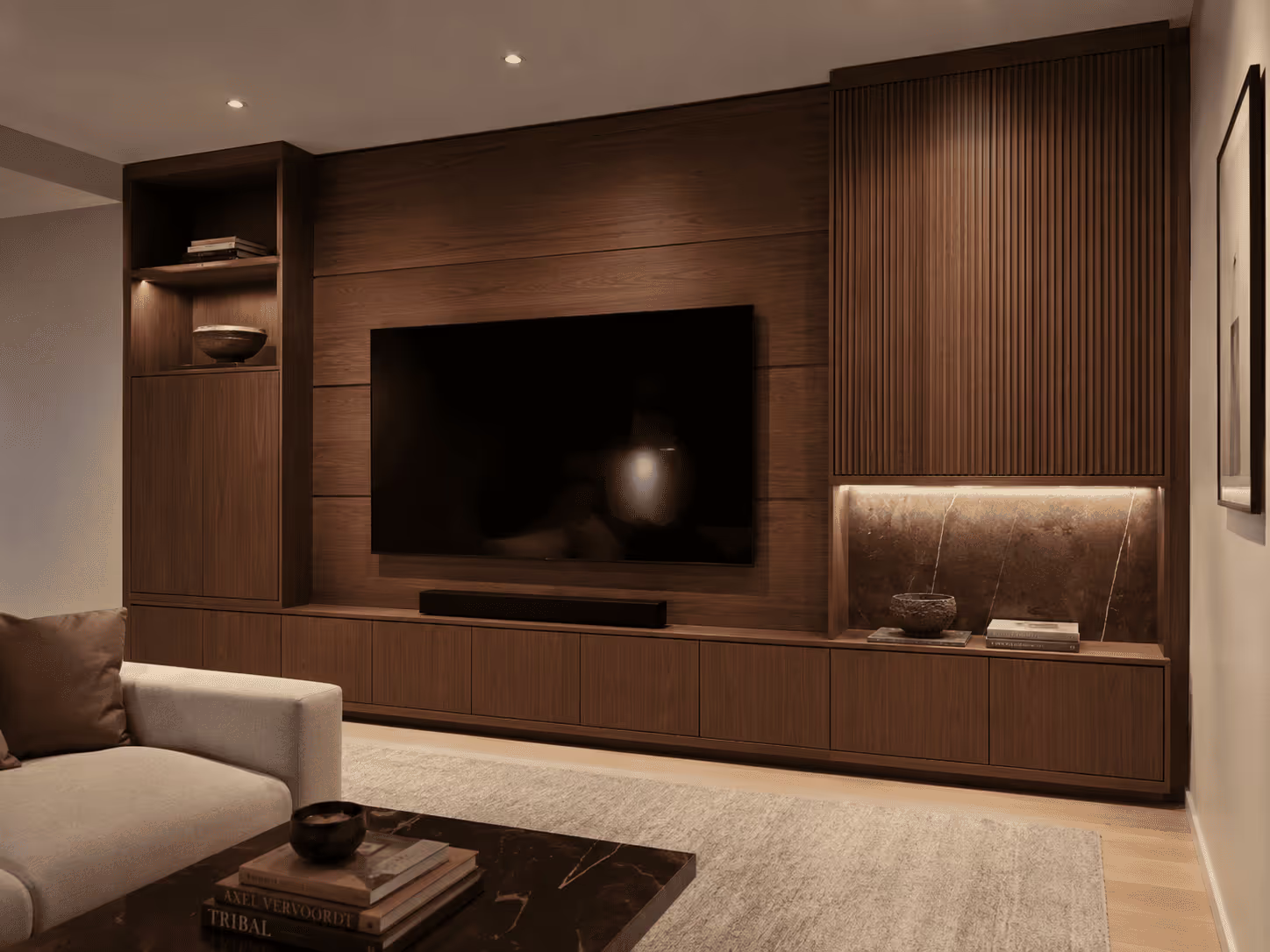
Built-in cabinetry can give a large room structure without dividing it into smaller spaces. A library wall, media unit, display cabinet, home office, or storage elevation may combine open shelves, closed cabinets, drawers, lighting, wiring, ventilation, artwork, books, and equipment in one balanced composition.
The design should account for what the built-in needs to hold, how it will be viewed from the rest of the home, and how much open wall space the room should retain.
Selected Custom Cabinetry Projects in Tribeca
These projects show how kitchens, storage, media, and architectural details can be developed independently while still contributing to one coherent interior.
.avif)
What We Coordinate Before Fabrication
Every project is managed as one linked sequence so design intent, technical detail, and site execution stay aligned from the first measurements through the final install.
Existing Conditions & Access
We document walls, floors, ceilings, openings, trim, appliances, equipment, utilities, radiators, mechanical elements, elevators, corridors, and delivery routes that may affect the project.
One Coordinated Drawing Set
Drawings establish overall dimensions, proportions, panel divisions, doors, drawers, shelving, materials, hardware, appliance and equipment coordination, lighting allowances, ventilation, and installation conditions.

Materials Across the Project
Painted finishes, natural wood, veneers, glass, metal details, hardware, lighting, and interior materials are reviewed both room by room and as part of the wider home. The goal is continuity without making every area look identical.
Delivery, Fitting & Installation Planning
Approved information guides fabrication. Component sizes, building access, delivery sequencing, surface protection, fitting, alignment, service access, and final adjustments are considered before the finished work reaches the property.
The Process, Kept Clear
FROM FIRST CONVERSATION TO FINAL INSTALLATION.
Our five-stage process keeps every decision organized and every detail accountable. Discovery, precise measurement, design development, fabrication, and installation are managed as one continuous workflow.
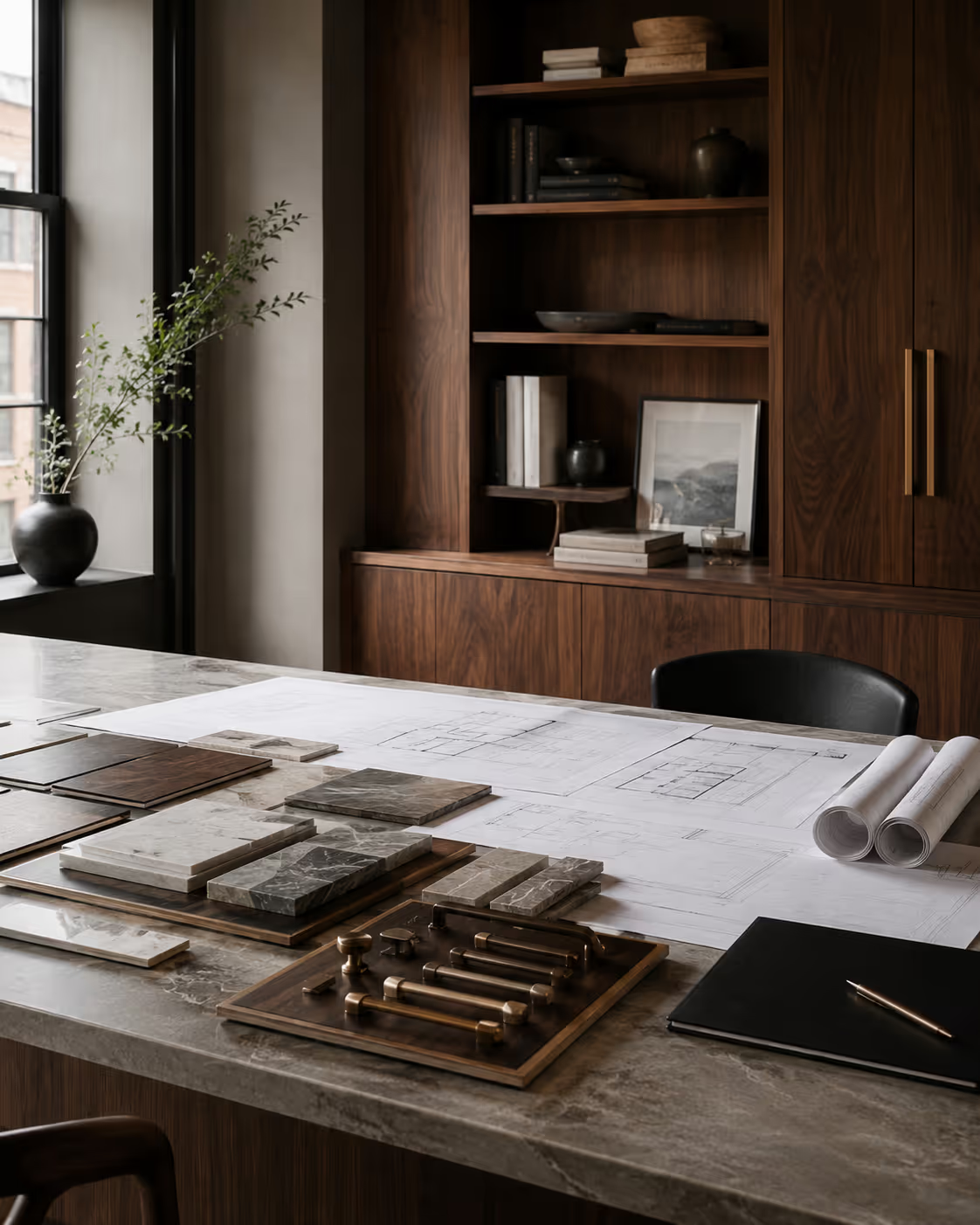
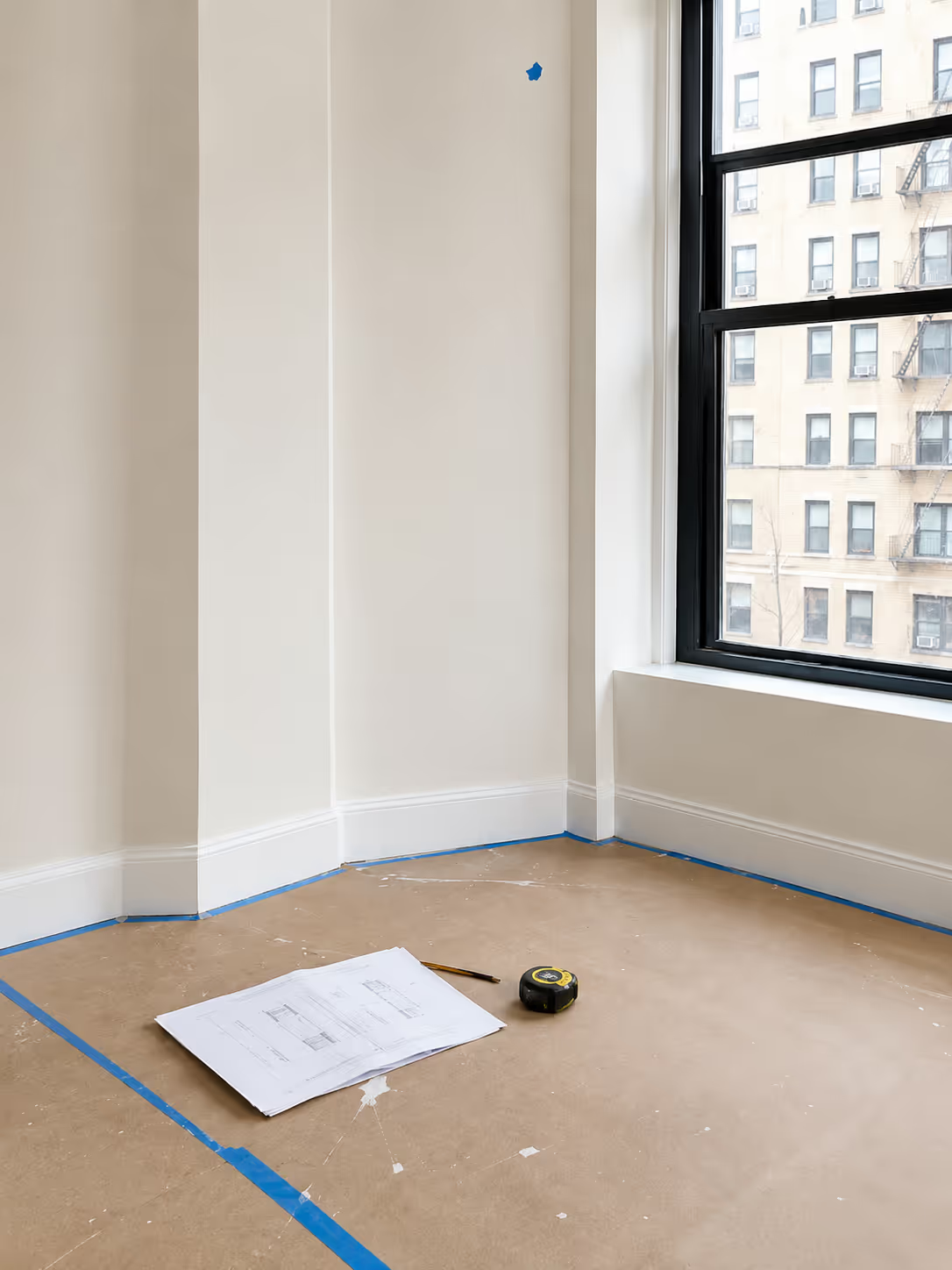
Discovery
We listen to your needs and understand your space and building constraints.
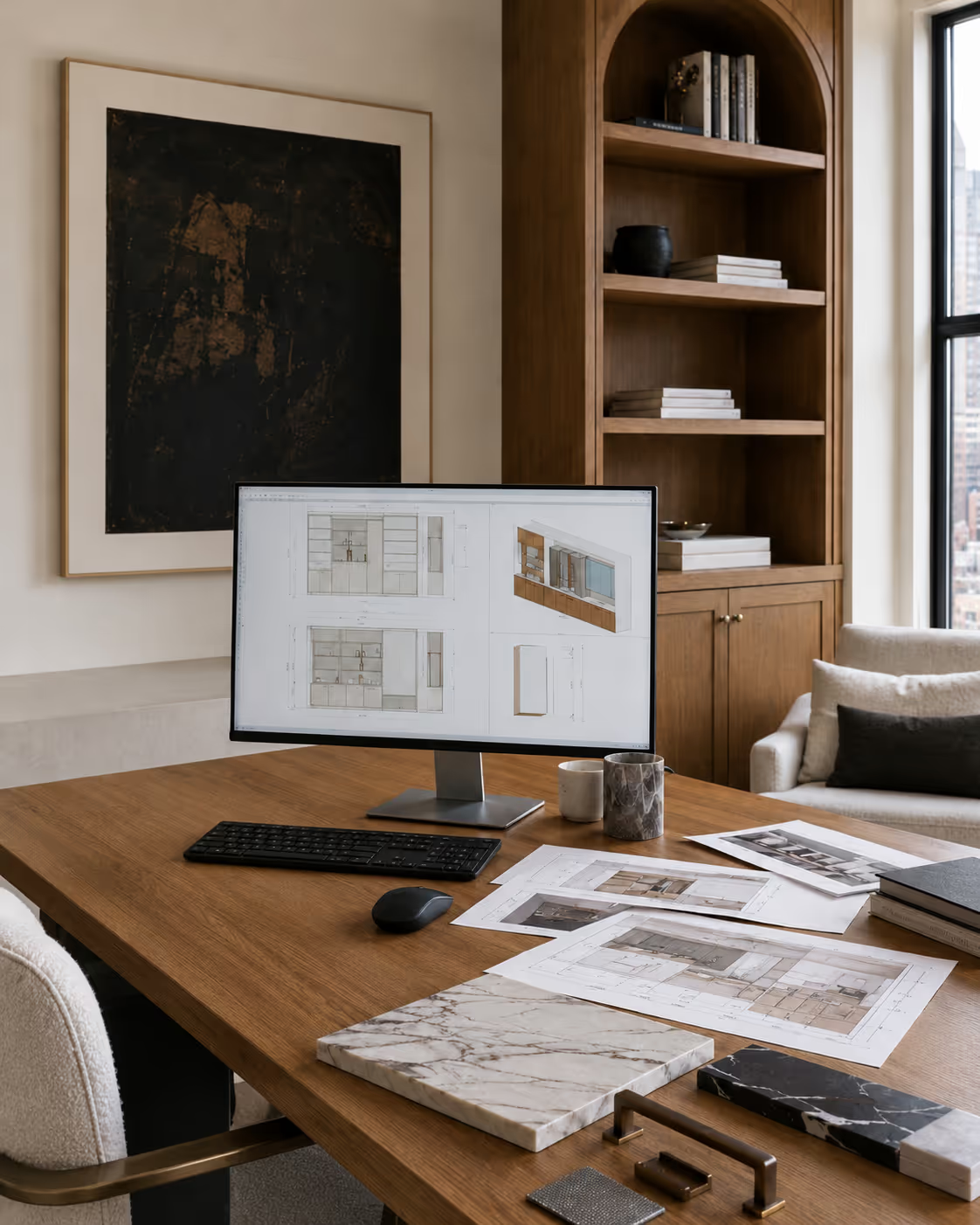
Design
We develop detailed drawings and material specifications for your approval.
.avif)
Fabrication
Our shop builds components to exact specifications with quality control.
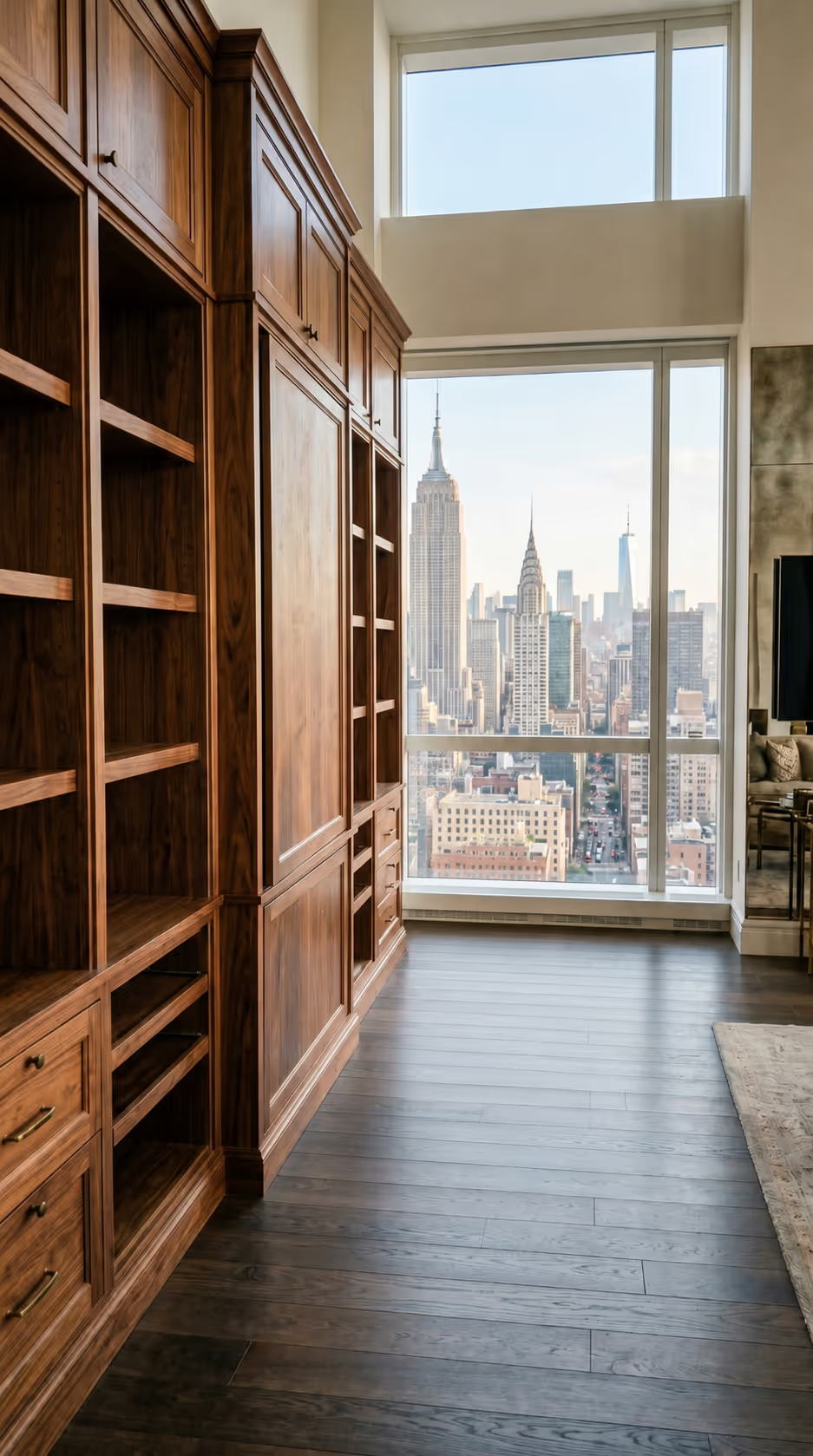
Installation
We install with care, coordinate with your building, and protect your home.
Good work depends on more than design alone. It also depends on proportion, material choice, build quality, and how cleanly everything comes together at the end. That full picture matters to us.
Frequently Asked Questions
Practical information about project scope, timelines, site visits, and working in New York City homes.
Ivenko Studio designs custom kitchens, built-ins, library walls, media cabinetry, closets, dressing rooms, home offices, radiator covers, HVAC enclosures, bathroom vanities, and broader architectural millwork packages. The appropriate scope depends on the home, intended functions, existing conditions, and project schedule.
Yes. Multi-room projects can be coordinated through related proportions, materials, finishes, panel lines, hardware, and detailing while allowing each room to serve a different function. The elements do not need to match exactly to feel like parts of the same home.
Yes. Kitchen cabinetry can be developed around appliance specifications, islands, pantry storage, workflow, utilities, lighting, ventilation, circulation, and its visual relationship with adjoining living and dining spaces.
Quality is visible in more than the door finish. Consider cabinet proportions, internal storage, appliance integration, panel alignment, material consistency, hardware, edge details, lighting, clearances, and the way the cabinetry meets floors, walls, and ceilings.
Selected European, German, and Italian kitchen products may be incorporated when their construction, finishes, storage systems, hardware, and available configurations suit the project. Product availability and the exact scope are confirmed during design development.
Yes. A built-in may combine books, artwork, display objects, television and audio equipment, cable management, ventilation, lighting, drawers, closed storage, and removable service access. These requirements should be established before fabrication.
Yes. Projects may include walk-in closets, reach-in closets, dressing rooms, hanging sections, drawers, shoe storage, accessory storage, lighting, and full-height bedroom cabinetry planned around the room and daily routines.
Yes. We can coordinate field conditions, cabinetry drawings, finish references, appliance and equipment information, hardware, approval points, fabrication requirements, and installation details with a broader residential design package.
Timing depends on the number of rooms, field measurement, design development, approvals, materials, product lead times, fabrication complexity, building access, site readiness, delivery, and installation. A project-specific schedule is established after the scope is understood.
Still Have a Question?
Call or email the studio, or use the project form above. We’ll help you understand whether Ivenko Studio is the right fit for your space, goals, and timeline.
Get in touch
Share your project details
and we'll respond promptly.
Custom Cabinetry for Tribeca Homes That Need One Coherent Plan
In a full-floor home or connected loft, cabinetry is rarely experienced one room at a time. The kitchen may be visible from the dining area. A library wall may define one side of the living room. Hallway storage, a home office, bedroom closets, and a dressing room may all appear within the same sequence of spaces.
That creates a different design problem from choosing a single cabinet or freestanding piece of furniture. Each element needs to perform its own job, but the home also needs a sense of continuity. Proportions, materials, panel lines, hardware, lighting, and the way cabinetry meets the architecture should feel deliberate from room to room.
A Kitchen That Sets the Tone
In many Tribeca homes, the kitchen occupies a central position within the floor plan. Custom kitchen cabinetry therefore needs to support cooking, appliances, storage, utilities, lighting, and circulation while contributing to the wider character of the interior.
An island may need to provide preparation space, seating, drawers, electrical access, and visual separation without functioning as a barrier. Full-height cabinetry may hold pantry storage and integrated appliances, while lower elevations or open shelving help preserve longer views through the room.
For clients comparing luxury kitchen cabinets in Tribeca, the meaningful differences are not found in the label alone. They are visible in the consistency of the materials, the internal layout, the quality of the hardware, appliance coordination, panel alignment, edge details, and the way the finished cabinetry meets the surrounding floors, walls, ceilings, stone, and lighting.
Selected European, German, and Italian kitchen products may also be incorporated where their construction, finishes, hardware, interior accessories, and dimensional options fit the project. These products still need to be coordinated with verified field conditions, appliances, adjoining millwork, delivery access, and installation requirements.
Built-Ins That Give Large Rooms Structure
A large living room can still feel unresolved when books, media equipment, display objects, work materials, and everyday storage do not have a clear place. Custom built-ins and library walls can bring those functions together without dividing the room or filling every available surface.
A library composition may combine open shelving, closed lower cabinets, drawers, display lighting, artwork, and a desk. A media wall may need equipment depth, ventilation, wiring, speakers, removable access panels, and concealed storage. The final proportions should respond to the dimensions of the room and the way the built-in is seen from adjoining areas.
Scale does not simply mean making everything larger. A successful built-in may use stronger horizontal lines, controlled panel divisions, areas of open wall, or a change in material to keep a long elevation balanced. The relationship between filled and unfilled space is often as important as storage capacity.
Closets That Continue the Same Level of Detail
Private rooms require a quieter expression, but they benefit from the same level of planning. Custom closets and dressing-room storage can organize hanging clothing, folded items, shoes, bags, drawers, accessories, jewelry, lighting, and seasonal storage according to the actual collection and daily routine.
A generous closet does not automatically work well. Door widths, drawer clearances, hanging heights, shelf depth, lighting, mirror placement, and movement through the room all affect usability. The exterior cabinetry should also relate to the bedroom rather than looking like a separate storage product placed inside it.
Where several rooms are included in the project, the closet may share selected finishes, hardware details, or panel proportions with the kitchen and built-ins while retaining a calmer, more private character.
Mechanical Elements Within the Composition
Radiators, HVAC equipment, AC units, and PTAC systems can interrupt window walls and other long cabinetry elevations. Radiator covers and HVAC enclosures need to preserve airflow, valves, controls, filters, removable panels, and service access.
When those requirements are documented early, the enclosure can become part of a low cabinet, window composition, shelving system, or built-in seat rather than an isolated object. This is particularly valuable when the same wall already includes storage, lighting, or architectural details that need to remain visually continuous.
One Millwork Language, Room by Room
Larger projects may connect kitchens, libraries, media walls, closets, vanities, home offices, window-wall cabinetry, and other custom millwork services across the home.
Continuity does not require every room to use the same finish. A kitchen may need a durable painted surface or selected European product. A living-room built-in may introduce natural wood, glass, or display lighting. A bedroom closet may remain more restrained. The connection can come from proportions, panel alignment, material relationships, hardware, or the way each element meets the architecture.
This type of project depends on decisions made before fabrication begins: verified dimensions, appliances and equipment, drawings, material selections, approvals, component sizes, access routes, delivery sequencing, and installation conditions. Review our design-to-install process to understand how these stages are coordinated.
Tribeca is part of Ivenko Studio’s wider Manhattan service area. Learn more about custom cabinetry and millwork across Manhattan, including work for apartments, co-ops, condos, lofts, and townhouses.
Explore completed cabinetry and millwork projects to see how kitchens, libraries, closets, built-ins, radiator covers, and material details come together in finished New York interiors. To discuss the property, rooms involved, photographs, available drawings, and preferred schedule, start your Tribeca cabinetry project with Ivenko Studio.