.png)
CUSTOM MILLWORK. EXCEPTIONAL SPACES.
Custom Millwork & Cabinetry on the Upper East Side
An Upper East Side home may need a kitchen that aligns with formal rooms, a library wall that stops cleanly at existing trim, or a radiator enclosure that completes a window composition instead of interrupting it.
Ivenko Studio designs, fabricates, and installs custom cabinetry for co-ops, condos, apartments, and townhouses, with close attention to proportion, fit, building access, and the details already in the room.
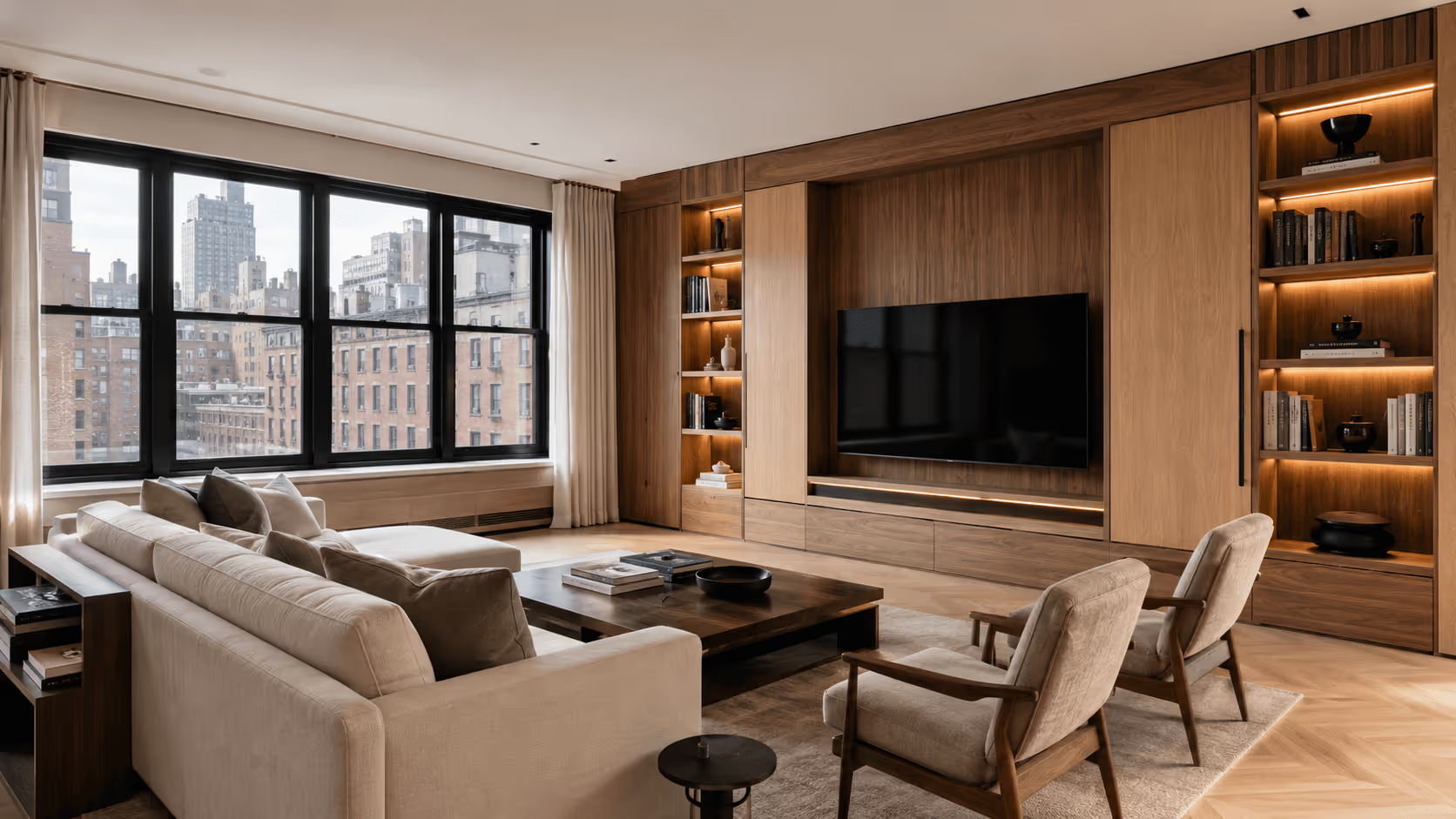
When New Cabinetry Has to Join an Existing Room
New millwork does not arrive in a blank space. It meets window casings, baseboards, crown moldings, stone, radiators, door swings, flooring, and walls that may not be perfectly square. Those intersections are where the project either begins to feel integrated or starts to look added on.
We document the room and the route into it before fabrication. The design can then establish where cabinetry should align, where it should stop, and which existing elements should remain visually independent.
- Field measurement of walls, floors, ceilings, openings, and trim
- Review of window sills, radiators, PTAC units, outlets, and service access
- COI, elevator, delivery, and scheduling coordination where required
- Component sizes planned around doors, corridors, elevators, and stairs
- Protection of common areas and occupied interiors
- Final fitting coordinated with existing architectural finishes
Where Custom Millwork Makes the Greatest Difference
Some rooms need a complete wall of cabinetry. Others improve through one carefully resolved element: a kitchen elevation, a fitted closet, a bookcase, or a radiator enclosure beneath a window. We develop each project around the room’s actual functions and the details that should remain visible.
Kitchen Cabinetry with a Measured Presence
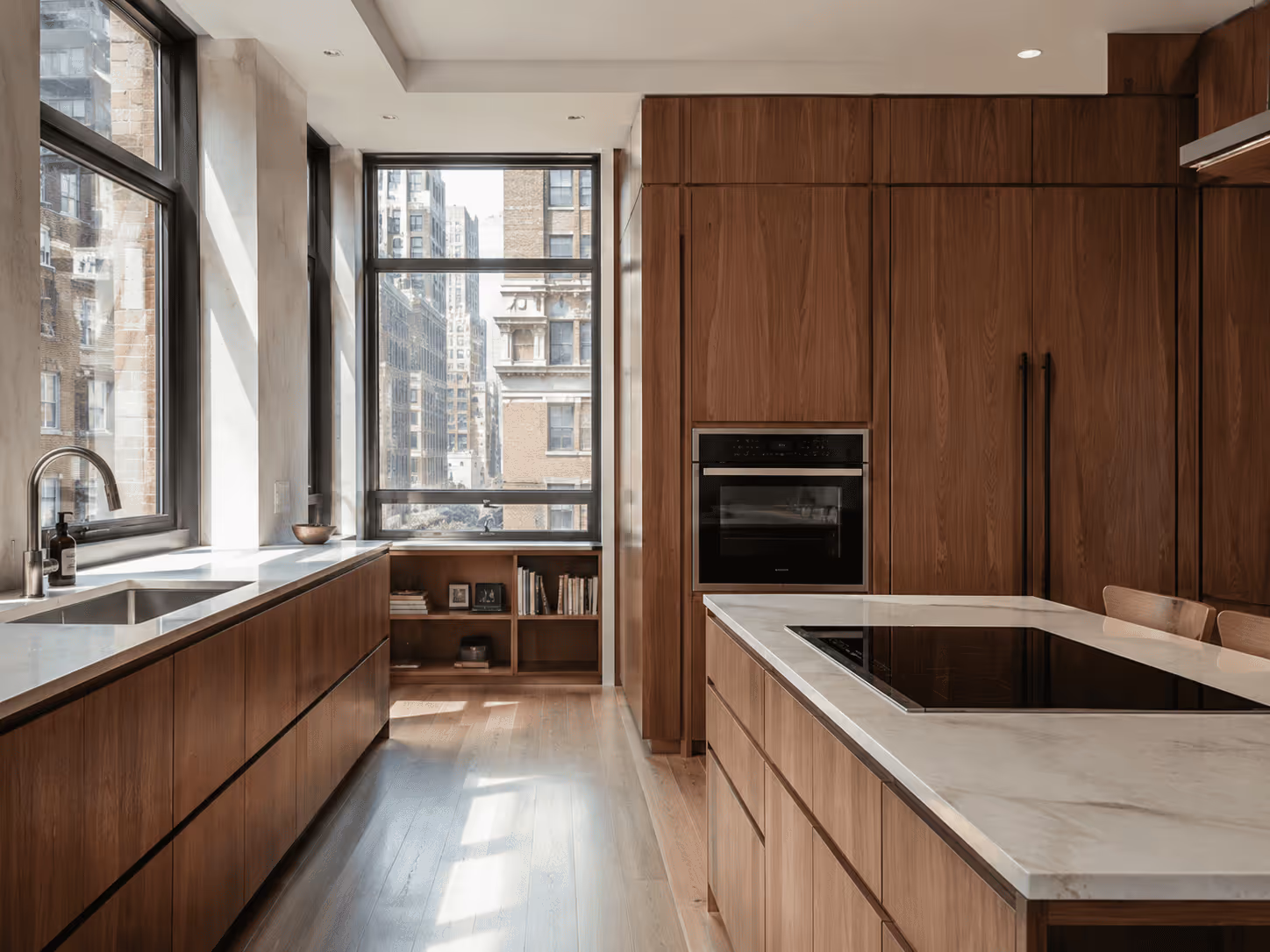
Custom kitchen cabinets on the Upper East Side need to work as storage and as part of the wider interior. Cabinet heights, appliance panels, pantry space, drawer placement, hardware, visible end panels, lighting, utilities, and the relationship with adjoining rooms all influence the result.
We develop the layout from verified dimensions and confirmed appliance information rather than forcing the room into standard cabinet widths.
Closets Designed from the Inside Out
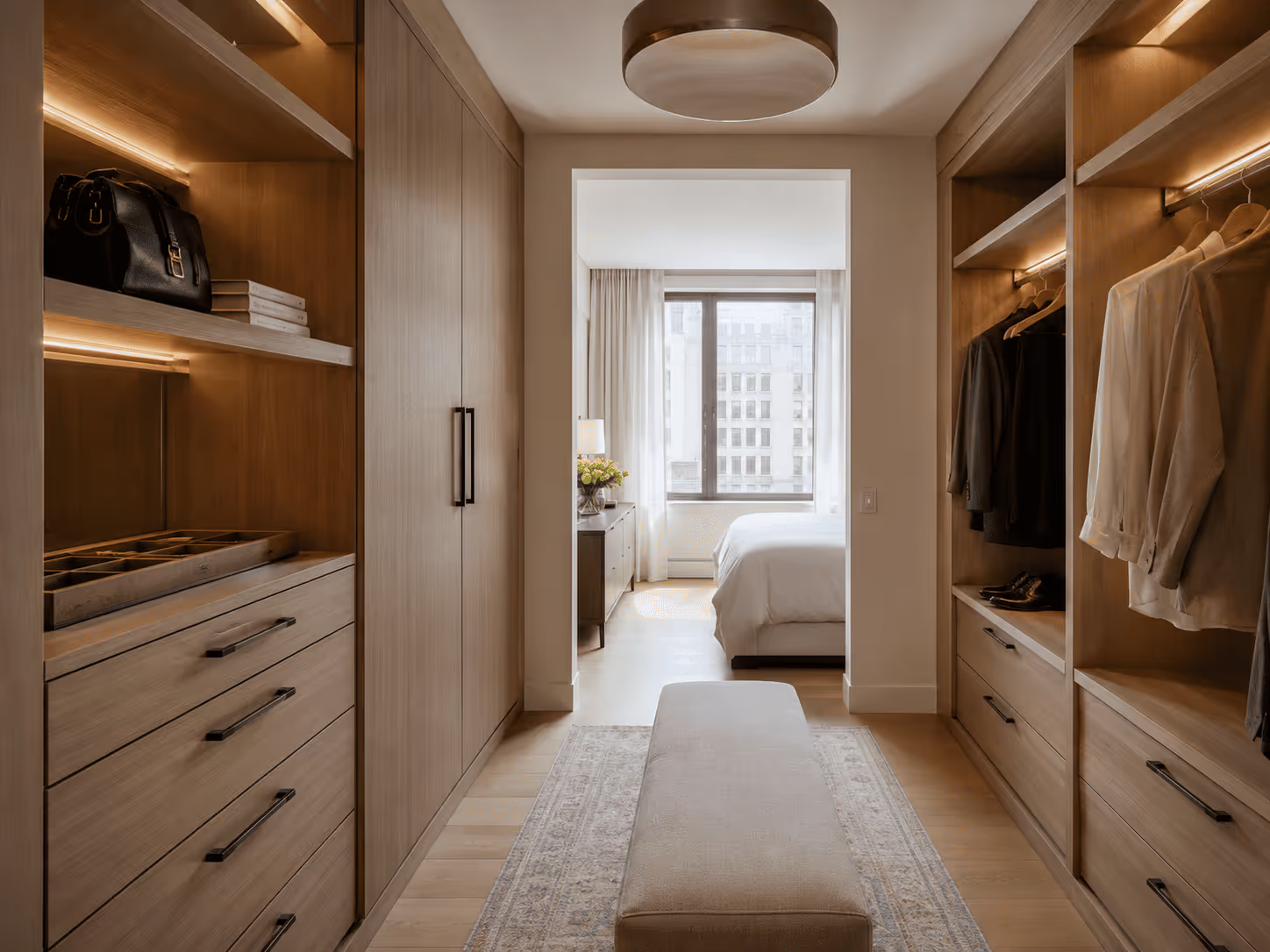
A closet should be planned around what needs to fit inside it before its exterior is designed. Long hanging, short hanging, drawers, shoes, bags, accessories, folded clothing, lighting, door clearances, and upper storage all require different dimensions.
Projects may include reach-in closets, walk-in closets, dressing rooms, and full-height bedroom cabinetry.
Bookcases & Built-Ins That Finish the Wall
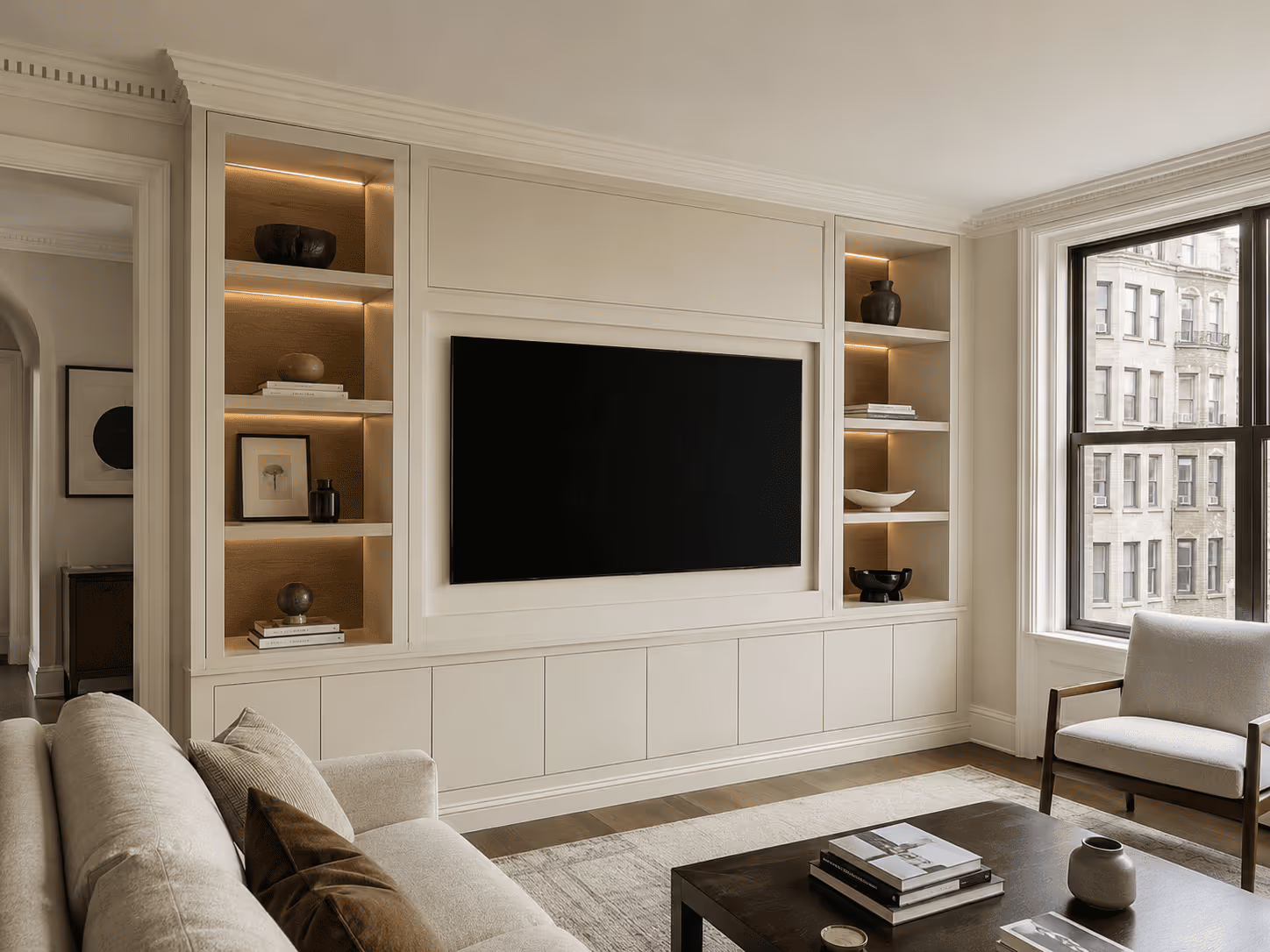
A built-in can frame a fireplace, follow a window wall, organize books, conceal media equipment, or combine display space with closed storage. The important decisions are often at the edges: how the base meets the existing trim, where the cabinetry stops, and how much open wall the room should retain.
Shelving, drawers, wiring, ventilation, lighting, equipment depth, and service access are coordinated before fabrication.
Selected Work, Seen in the Details
These projects show how different types of cabinetry solve different problems: organizing a living-room wall, bringing storage and appliances into a co-op kitchen, and giving a bedroom more capacity without making it feel closed in.
Before a Drawing Becomes a Build
Each project is handled as one coordinated path so drawings, fabrication, logistics, and installation stay aligned. That continuity matters in refined interiors where the work has to feel polished from every angle.
Room Survey
We document dimensions, wall variation, ceilings, floors, trim, windows, radiators, outlets, equipment, and the route through the building.
Functional Brief
The project is organized around what the cabinetry must hold, how frequently items are used, which elements should remain visible, and what needs to be concealed.

Coordinated Cabinetry Drawings
Drawings establish proportions, panel divisions, shelves, doors, drawers, materials, hardware, appliances, wiring, ventilation, service access, and the way the millwork meets the room.
Fabrication & Installation Plan
Approved information guides fabrication. Component sizes, delivery sequencing, protection, fitting, alignment, adjustment, and final access are reviewed before the cabinetry reaches the property.
The Process, Kept Clear
FROM FIRST CONVERSATION TO FINAL INSTALLATION.
Our five-stage process keeps every decision organized and every detail accountable. Discovery, precise measurement, design development, fabrication, and installation are managed as one continuous workflow.
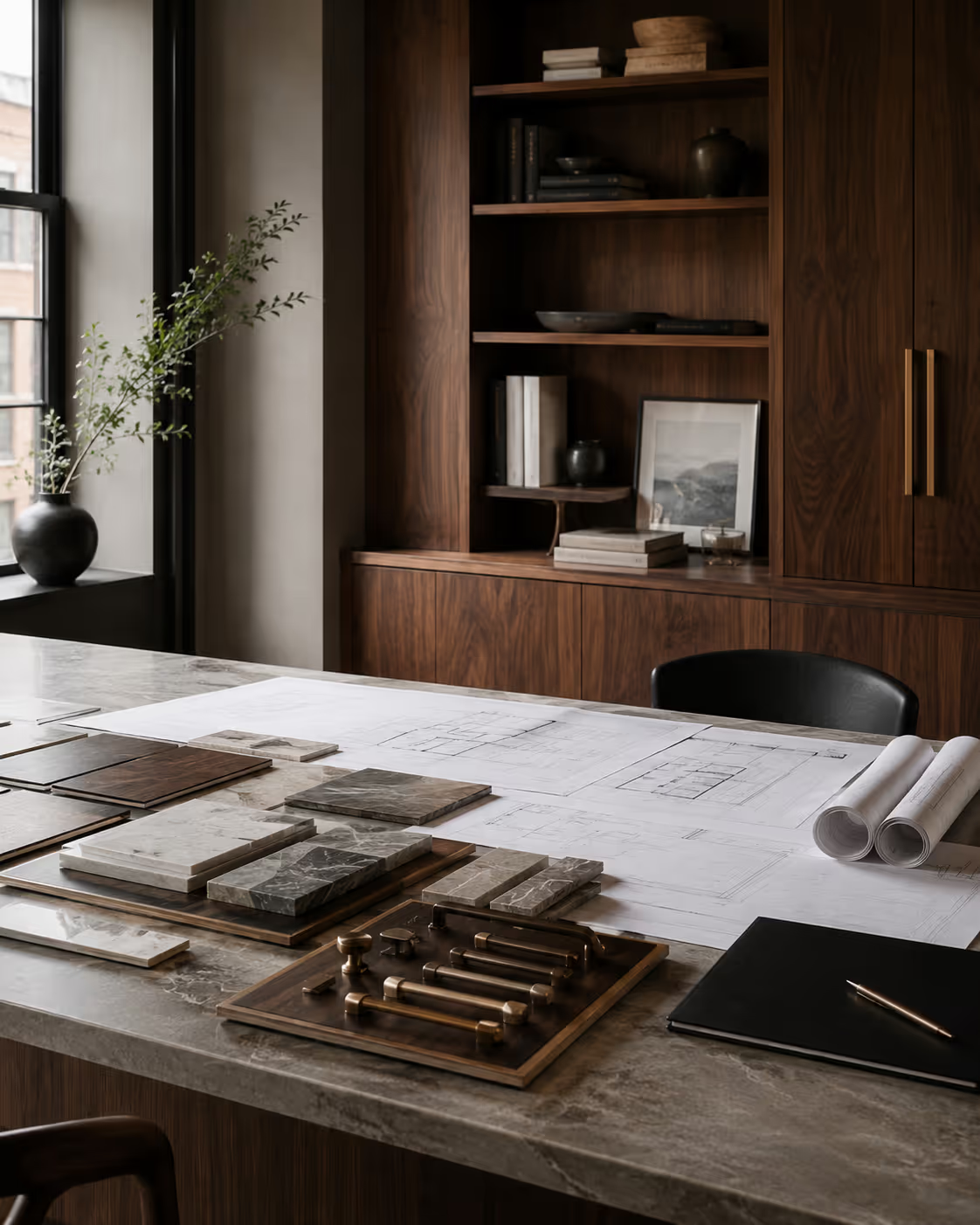
Discovery
We listen to your needs and understand your space and building constraints.
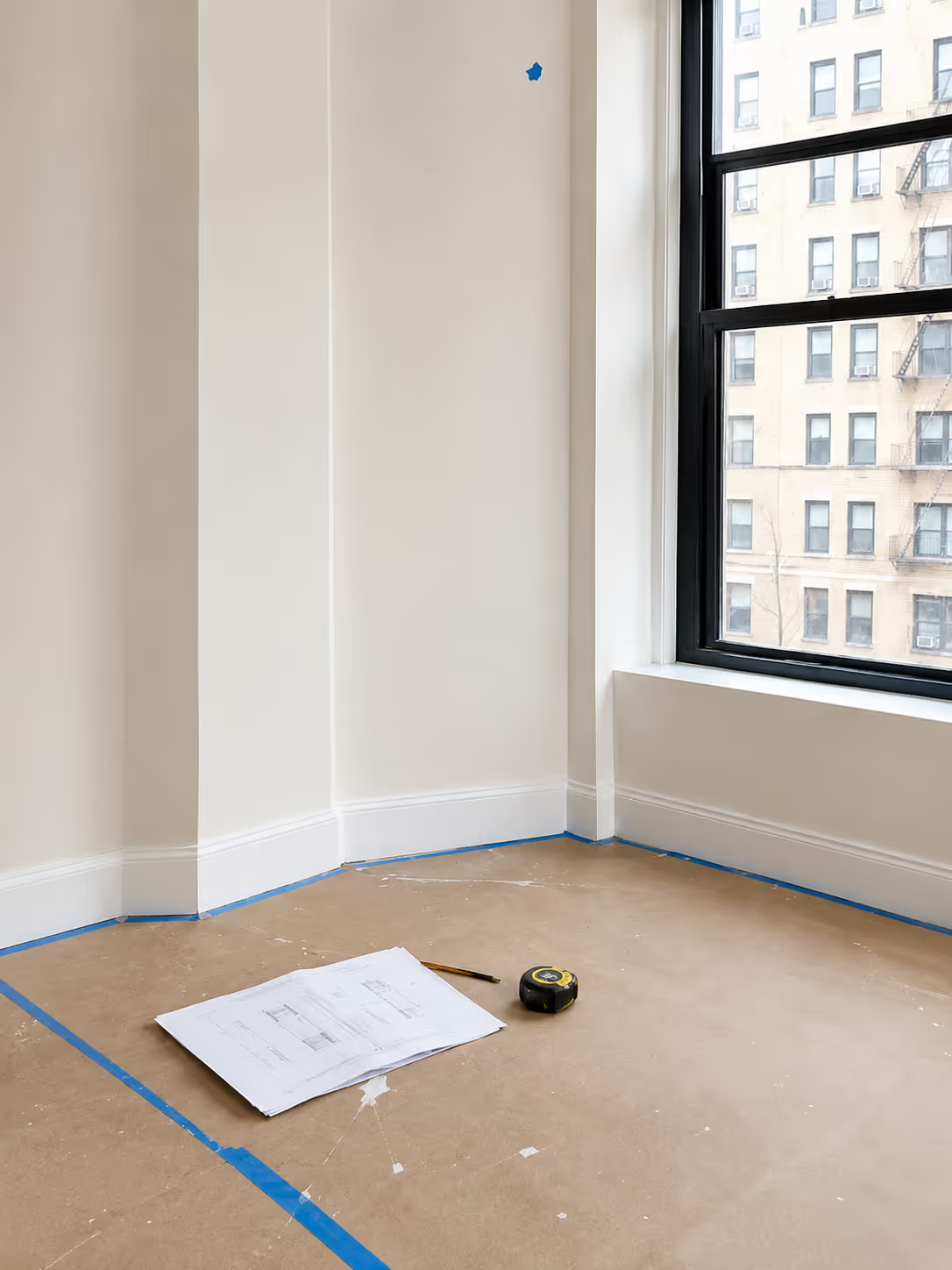

Design
We develop detailed drawings and material specifications for your approval.
.avif)
Fabrication
Our shop builds components to exact specifications with quality control.
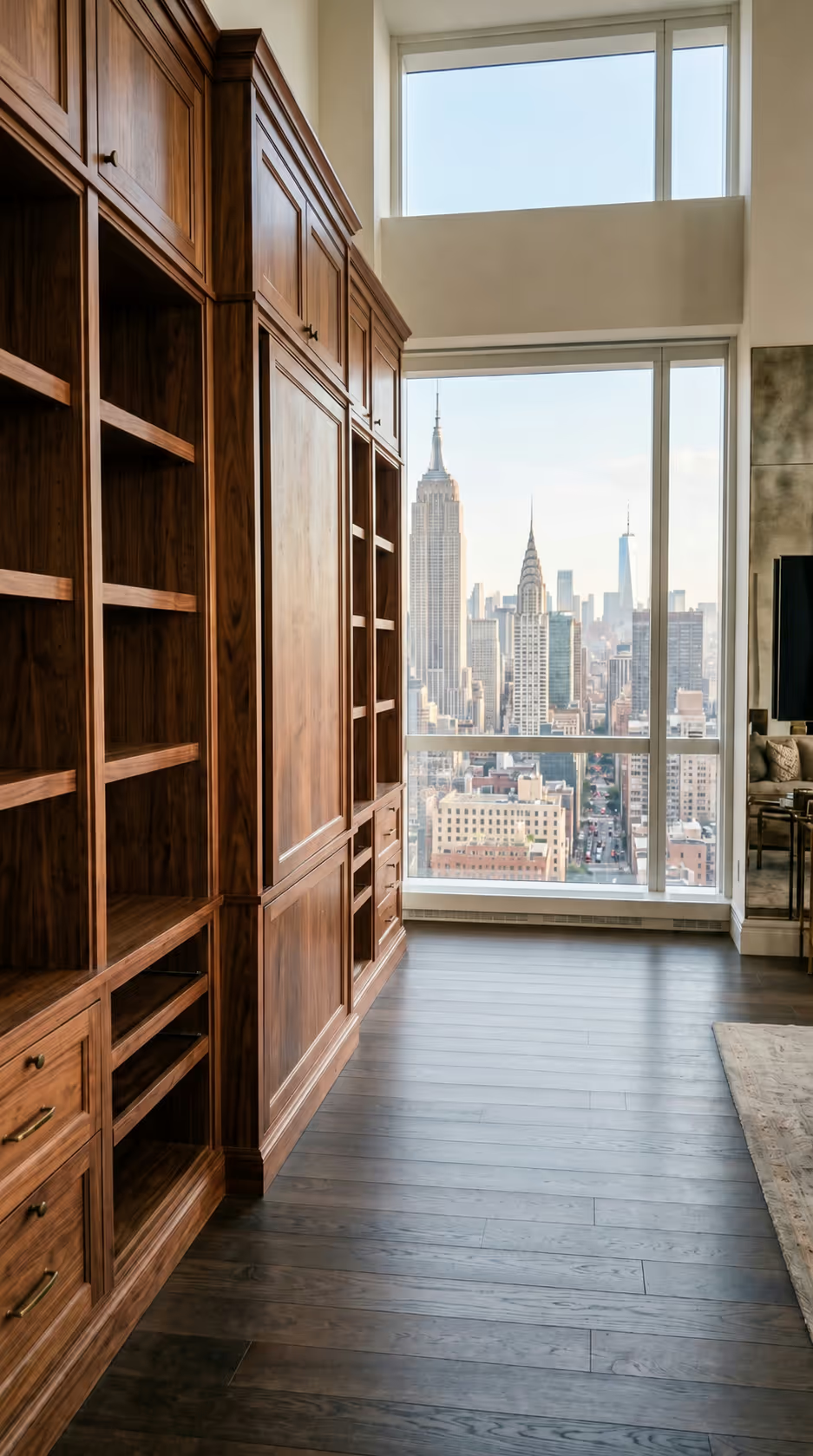
Installation
We install with care, coordinate with your building, and protect your home.
Good work depends on more than design alone. It also depends on proportion, material choice, build quality, and how cleanly everything comes together at the end. That full picture matters to us.
Frequently Asked Questions
Practical information about project scope, timelines, site visits, and working in New York City homes.
Ivenko Studio designs custom kitchens, bookcases, media walls, living-room built-ins, closets, dressing rooms, home office cabinetry, radiator covers, HVAC enclosures, vanities, and other fitted millwork. The appropriate scope depends on the room, intended function, site conditions, and project schedule.
Yes, where the room and technical conditions allow it. Cabinetry can be developed around door casings, crown molding, baseboards, windows, fireplaces, radiators, and changes in wall depth. The surrounding details need to be documented before the design is finalized.
Yes. A radiator or HVAC enclosure may be coordinated with a low cabinet, shelving, window seat, or longer wall composition. Airflow, valves, controls, filters, removable panels, and service access must remain functional.
Depending on the agreed project scope, kitchen work may include field measurement, cabinetry layouts, shop drawings, materials and finish coordination, appliance integration, fabrication, delivery, and installation. Responsibilities for other trades and products are confirmed separately.
Yes. Projects may include walk-in closets, reach-in closets, dressing rooms, drawers, hanging sections, shoe storage, shelving, accessory storage, lighting, and full-height bedroom cabinetry.
High-end quality is usually visible in proportion, consistent reveals, panel alignment, material continuity, hardware performance, interior organization, edge details, service access, and the way the finished cabinetry meets walls, floors, ceilings, stone, and trim.
Yes. Project planning may include certificates of insurance, management documentation, elevator reservations, delivery windows, work-hour rules, protection of common areas, and access requirements. The responsibilities included in the project are confirmed before fabrication.
Yes. We can coordinate field conditions, cabinetry drawings, material references, appliances, lighting, hardware, approval points, fabrication requirements, and installation details with a broader residential design package.
Timing depends on measurement, design development, approvals, materials, fabrication complexity, building access, site readiness, delivery, and installation. A project-specific schedule is established after the scope is understood.
Still Have a Question?
Call or email the studio, or use the project form above. We’ll help you understand whether Ivenko Studio is the right fit for your space, goals, and timeline.
Get in touch
Share your project details
and we'll respond promptly.
Custom Millwork on the Upper East Side, Down to the Last Transition
Some cabinetry is judged from across the room. The best custom work is also judged at the edges: the reveal beside a door casing, the line where a tall panel meets crown molding, the clearance between a drawer and an adjacent wall, or the way a grille sits beneath a window.
These details are small, but they determine whether the finished millwork looks native to the room or merely fitted into it.
Upper East Side apartments and townhouses can bring together formal room proportions, prewar trim, window walls, radiators, modern mechanical equipment, and building-specific access requirements. A useful design begins by deciding what should align, what should remain independent, and where the cabinetry should stop.
The Window Wall
A window wall is often asked to solve several problems at once. It may contain a radiator, an air-conditioning unit, deep sills, valves, outlets, uneven flooring, or limited space for furniture. Covering the equipment is only one part of the task.
Custom radiator and HVAC enclosures need enough open area for airflow, access to controls and valves, removable panels for service, and proportions that make sense beneath the window. A decorative grille alone does not resolve those technical requirements.
Where the same wall also needs storage, built-in cabinetry for books, display, and closed storage can be developed as part of the composition. A low cabinet may continue across the wall, a bookcase may begin beside the window, or a seat may bridge the area between two openings. The result should look like one decision rather than several unrelated pieces placed next to one another.
The Kitchen Elevation
Kitchen cabinetry is usually experienced at close range, but it may also be visible from a dining room, entry, or adjoining living space. That makes the visible ends, panel divisions, appliance integration, cabinet heights, hardware, and finish transitions just as important as the internal storage.
Custom kitchen cabinetry can be planned around cooking equipment, pantry items, drawers, waste storage, small appliances, utilities, lighting, ventilation, and clear circulation. Full-height cabinets may add capacity, but they should not automatically fill every available wall. In some rooms, a lighter elevation or a single tall pantry composition creates a better balance.
Custom kitchen cabinets on the Upper East Side may also need to meet existing stone, flooring, trim, windows, or walls that do not follow standard dimensions. Field measurement and coordinated drawings allow those conditions to shape the cabinetry before fabrication instead of being hidden behind large fillers during installation.
The Private Rooms
Bedrooms require a different visual tone. Storage may need to be extensive, but the exterior should remain calm when the doors are closed.
Custom closets and dressing-room storage can be organized around long hanging, short hanging, shoes, bags, drawers, folded clothing, accessories, jewelry, lighting, mirrors, and seasonal items. The internal layout should reflect the homeowner’s actual belongings rather than a generic sequence of equal shelves.
The outside of the closet matters just as much. Door widths, handles, panel divisions, finish, and the relationship to nearby trim or furniture determine whether the closet feels built into the bedroom or placed inside it as a separate system.
High-End Work Is Usually Quiet
For clients comparing luxury cabinetry on the Upper East Side, the useful questions are rarely about how ornate the door style is.
Look at the consistency of the reveals. Check whether doors and drawers align across a long elevation. Notice how the cabinetry meets the ceiling, floor, stone, window casing, and adjoining wall. Open the drawers and examine how the interior is divided. Consider whether equipment, wiring, ventilation, and service access were designed from the beginning or hidden after the fact.
These details are easier to understand through finished cabinetry and millwork projects than through material samples alone. A completed room shows whether the proportions hold together and whether the storage remains practical after the doors are closed.
One Detail or a Wider Millwork Scope
Some projects begin with one window wall or bookcase. During planning, it may become clear that the same material, panel proportion, or hardware detail could also connect a kitchen, home office, closet, vanity, or entry cabinet.
Our broader residential millwork services cover projects that involve cabinetry across several rooms. The elements do not need to match exactly. Continuity can come from related proportions, finishes, panel lines, or the way each installation meets the architecture.
The Upper East Side is part of Ivenko Studio’s wider Manhattan service area, which includes apartments, co-ops, condos, lofts, and townhouses across the borough.
The quality of the final installation depends on information resolved much earlier: field dimensions, functional requirements, appliances, mechanical conditions, drawings, materials, building access, delivery routes, and final fitting. Review how we move from measurement to installation for a closer look at that sequence.
To begin a conversation, share the room, available drawings, photographs, and intended scope. The initial information helps determine whether the next step should be a project review, site visit, field measurement, or further design coordination.