.png)
CUSTOM MILLWORK. EXCEPTIONAL SPACES.
Custom Millwork & Built-Ins on the Upper West Side
Some Upper West Side homes need a library wall that can also conceal media equipment. Others need a kitchen with better working storage, a bedroom closet that uses the full height of the room, or a radiator enclosure that becomes part of the window wall.
Ivenko Studio designs, fabricates, and installs custom cabinetry around those specific needs. The goal is to make the home easier to use without covering up the details that give the interior its character.
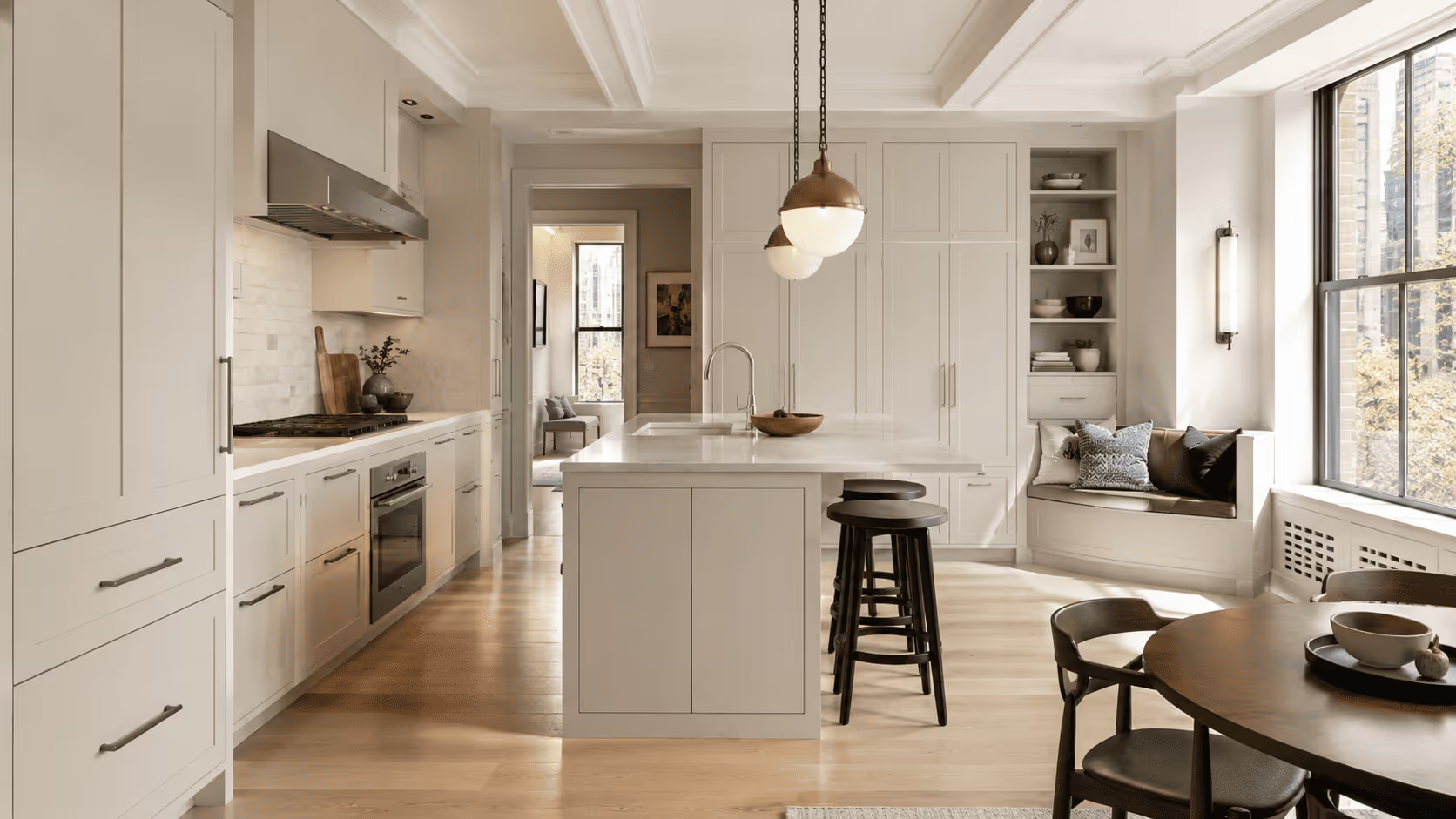
Cabinetry for Homes That Have to Work Every Day
A room can look complete and still be frustrating to use. Books may have nowhere to go, media equipment may remain visible, coats and bags may collect near the entry, or a kitchen may have plenty of cabinets but not enough useful storage.
We begin by looking at what the room needs to hold and how it is used throughout the day. Walls, floors, ceilings, trim, windows, radiators, outlets, equipment, and delivery access are then documented so the cabinetry can be planned around the actual home rather than a standard set of dimensions.
- Field measurement of walls, floors, ceilings, openings, and trim
- Review of books, media, kitchen items, clothing, and everyday storage needs
- Radiators, outlets, equipment, windows, and service access documented early
- COI, elevator, delivery, and scheduling coordination where required
- Component sizes planned around doors, corridors, elevators, and stairs
- Protection of common areas and occupied interiors
- Installation coordinated with existing floors, walls, ceilings, and finishes
What We Build for Upper West Side Homes
Some projects involve one focused bookcase or radiator enclosure. Others connect a kitchen, living-room built-ins, bedroom storage, and cabinetry in several parts of the home. Each element is planned around what it needs to hold and how it should relate to the room around it.
Custom Kitchen Cabinetry
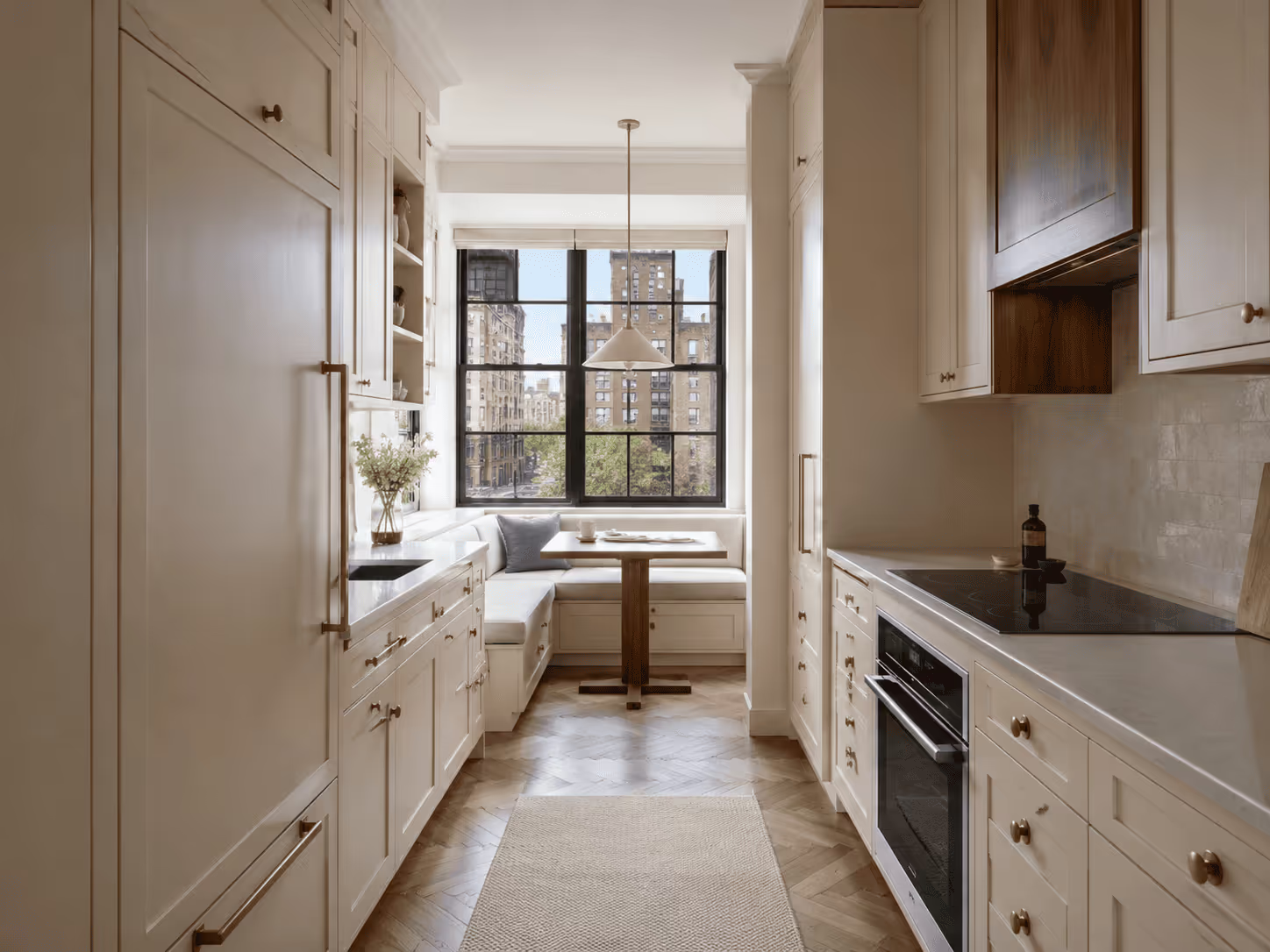
A useful kitchen is not measured only by the number of cabinets. Storage needs to be placed where it supports cooking, preparation, cleanup, pantry organization, and everyday routines.
We plan kitchen cabinetry around verified dimensions, appliance specifications, utilities, clearances, circulation, drawer use, pantry requirements, and the relationship between the kitchen and adjoining living or dining areas.
Custom Closets & Bedroom Storage
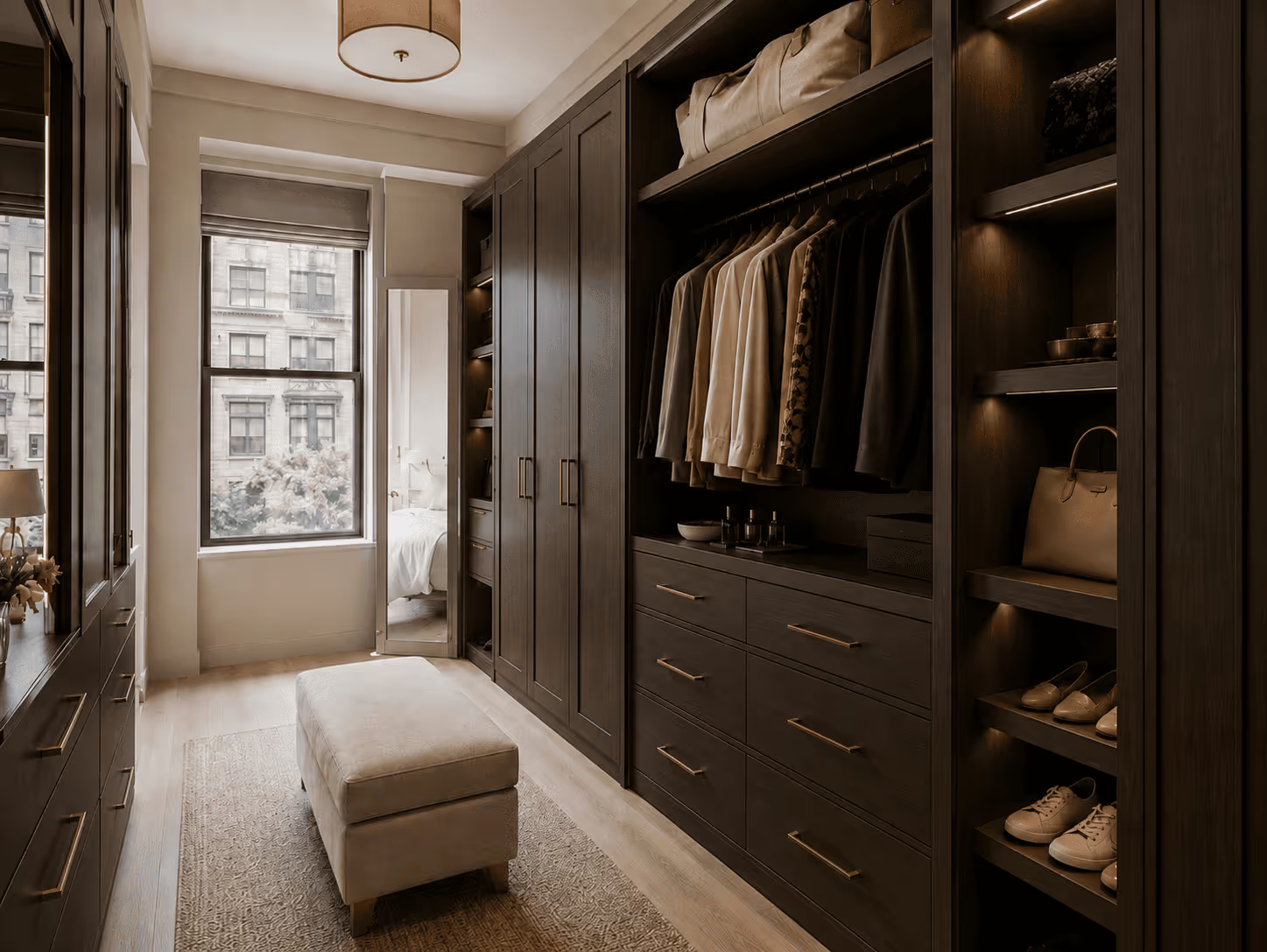
A closet should make getting dressed easier, not simply place more shelves behind a door. Hanging sections, drawers, shoes, bags, accessories, lighting, upper storage, and door clearances are planned around the belongings and routines of the homeowner.
Projects may include reach-in closets, walk-in closets, dressing rooms, and built-in bedroom cabinetry.
Bookcases, Media Walls & Living-Room Built-Ins
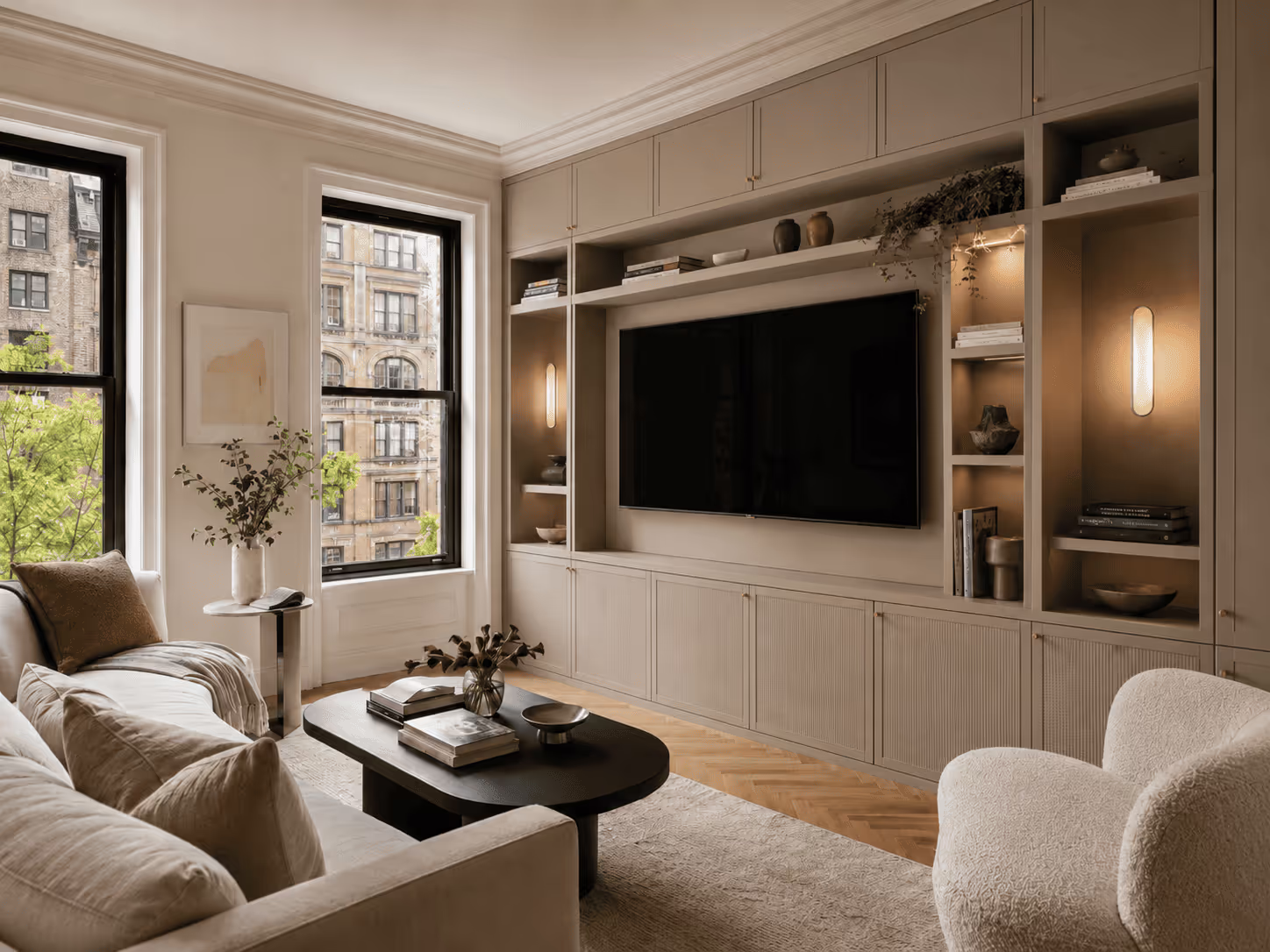
Shared living rooms often need to hold several different categories at once: books, media equipment, games, artwork, work materials, and objects used every day.
Built-in cabinetry can bring open shelves, lower cabinets, drawers, lighting, wiring, ventilation, and concealed equipment storage into one balanced composition. The wall should feel more organized when the built-in is complete—not simply fuller.
Selected Cabinetry Projects on the Upper West Side
These projects show how cabinetry can support cooking, books, media, clothing, and everyday storage while remaining connected to the character of the room.
Decisions That Need to Be Clear Before We Build
Every project is managed as one connected path so planning, fabrication, and installation continue to support one another from start to finish. That matters in family-oriented homes where the work has to be both durable and calm.
The Room and What It Needs to Hold
We document the existing conditions and review the actual storage requirements: books, equipment, kitchen items, clothing, shoes, household supplies, work materials, or display objects.
Cabinetry & Shop Drawings
Drawings establish dimensions, proportions, panel lines, doors, drawers, shelves, materials, hardware, equipment coordination, ventilation, service access, and the way the cabinetry meets the surrounding room.

Materials, Finishes & Daily Use
Painted finishes, woods, veneers, glass, hardware, interior materials, and lighting are considered in relation to the room and how frequently each part of the cabinetry will be handled.
Delivery & Installation Planning
Component sizes, delivery routes, elevator or stair access, protection, fitting, alignment, and final adjustments are considered before the cabinetry reaches the home.
The Process, Kept Clear
FROM FIRST CONVERSATION TO FINAL INSTALLATION.
Our five-stage process keeps every decision organized and every detail accountable. Discovery, precise measurement, design development, fabrication, and installation are managed as one continuous workflow.
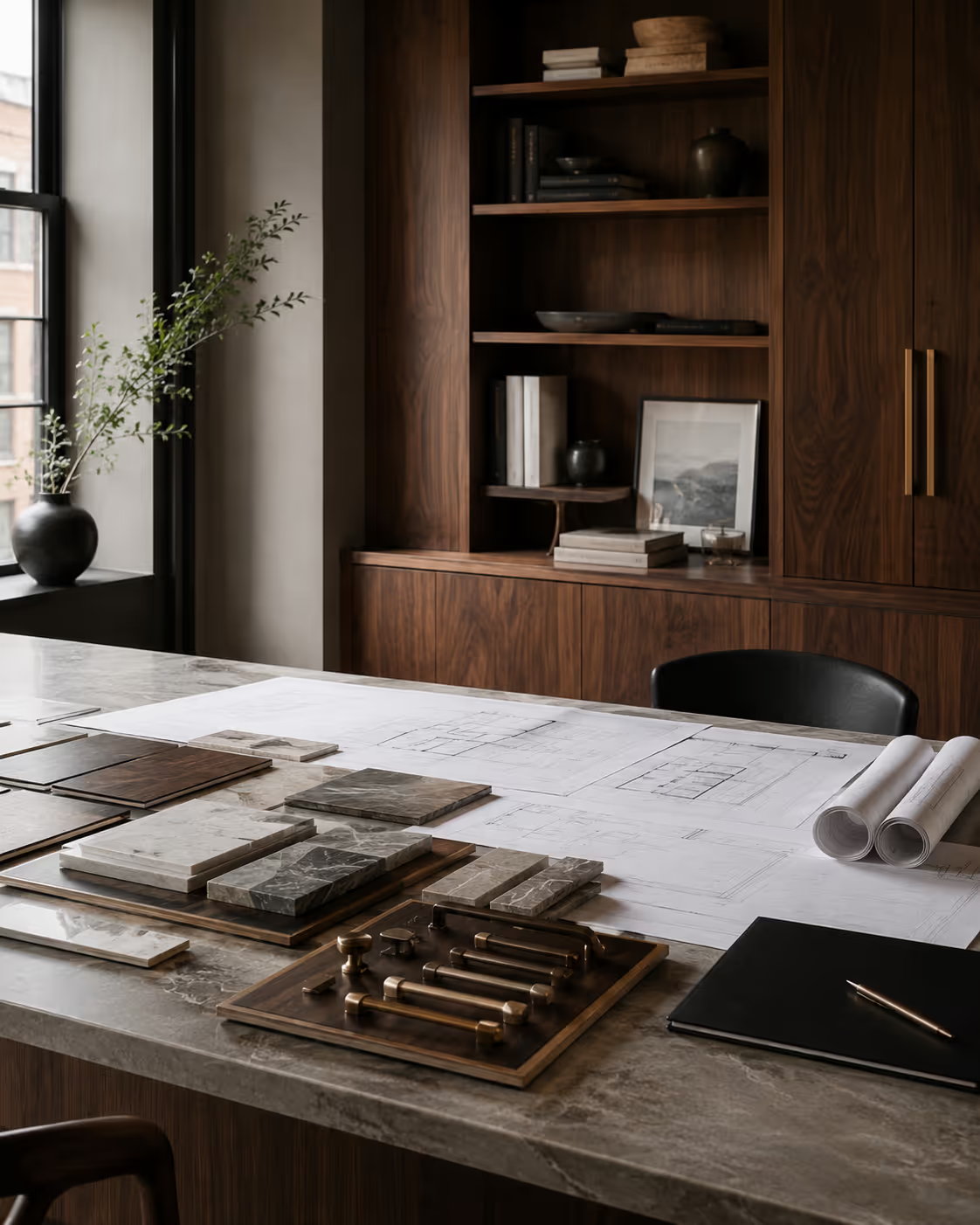
Discovery
We listen to your needs and understand your space and building constraints.
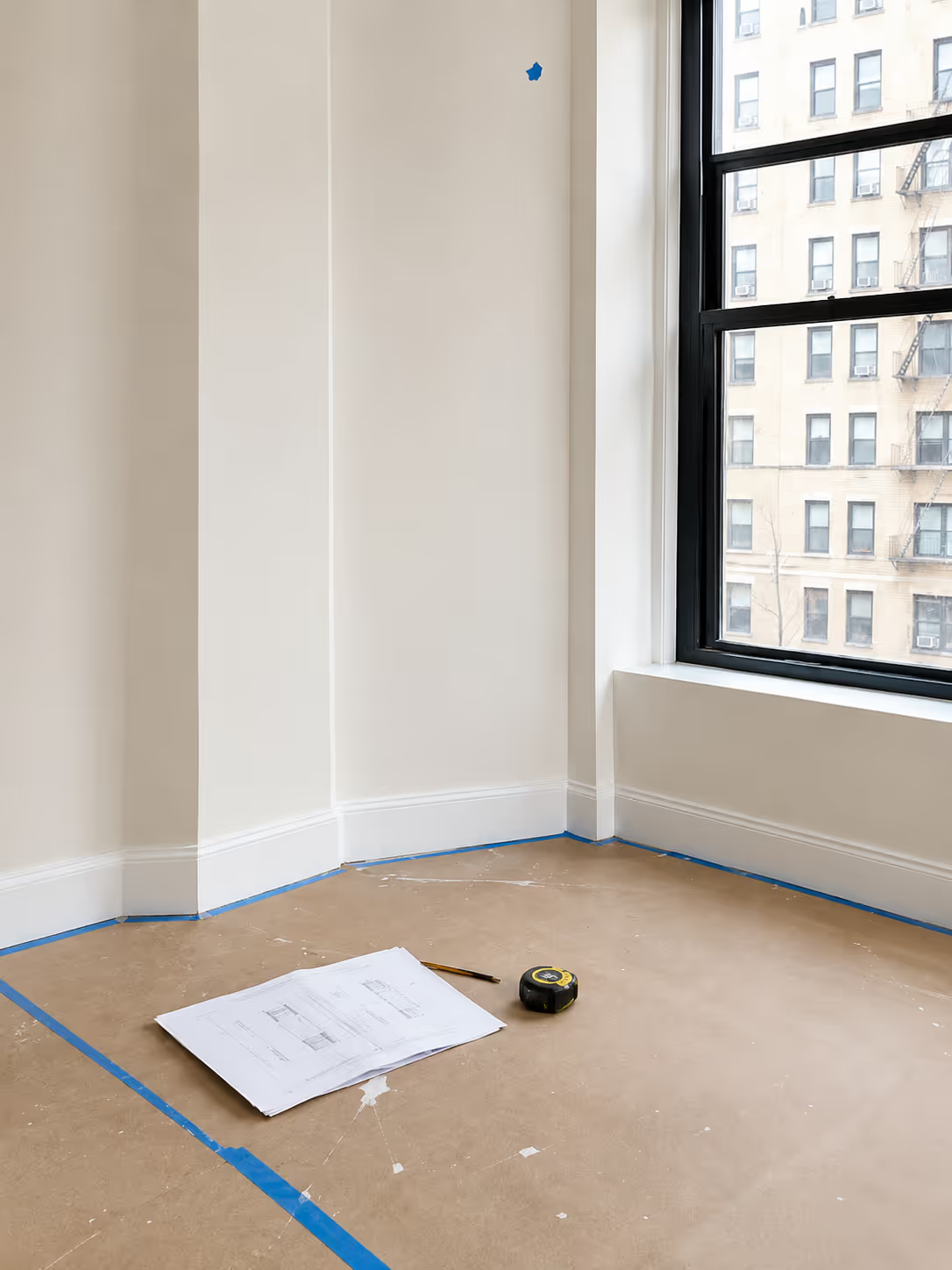
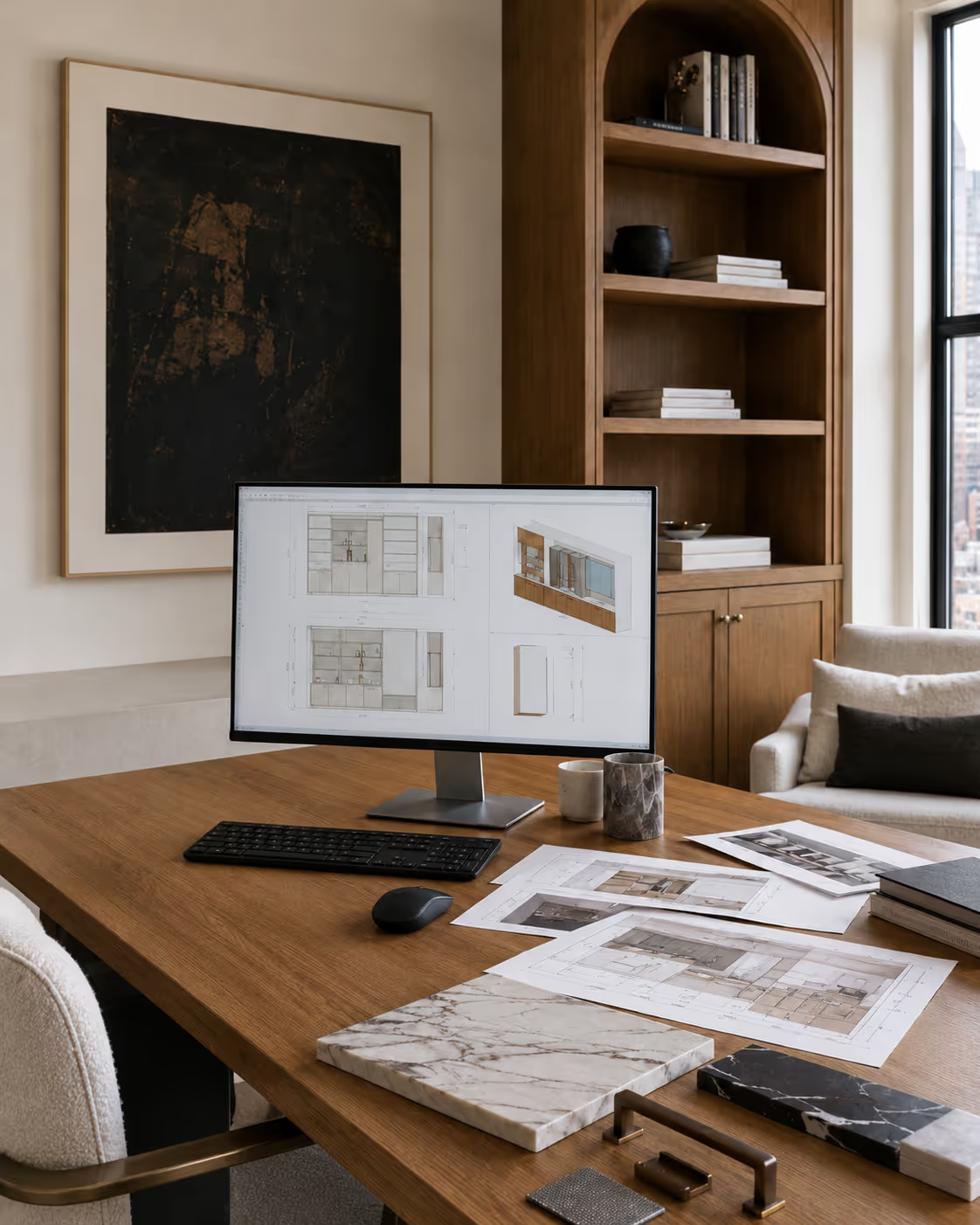
Design
We develop detailed drawings and material specifications for your approval.
.avif)
Fabrication
Our shop builds components to exact specifications with quality control.
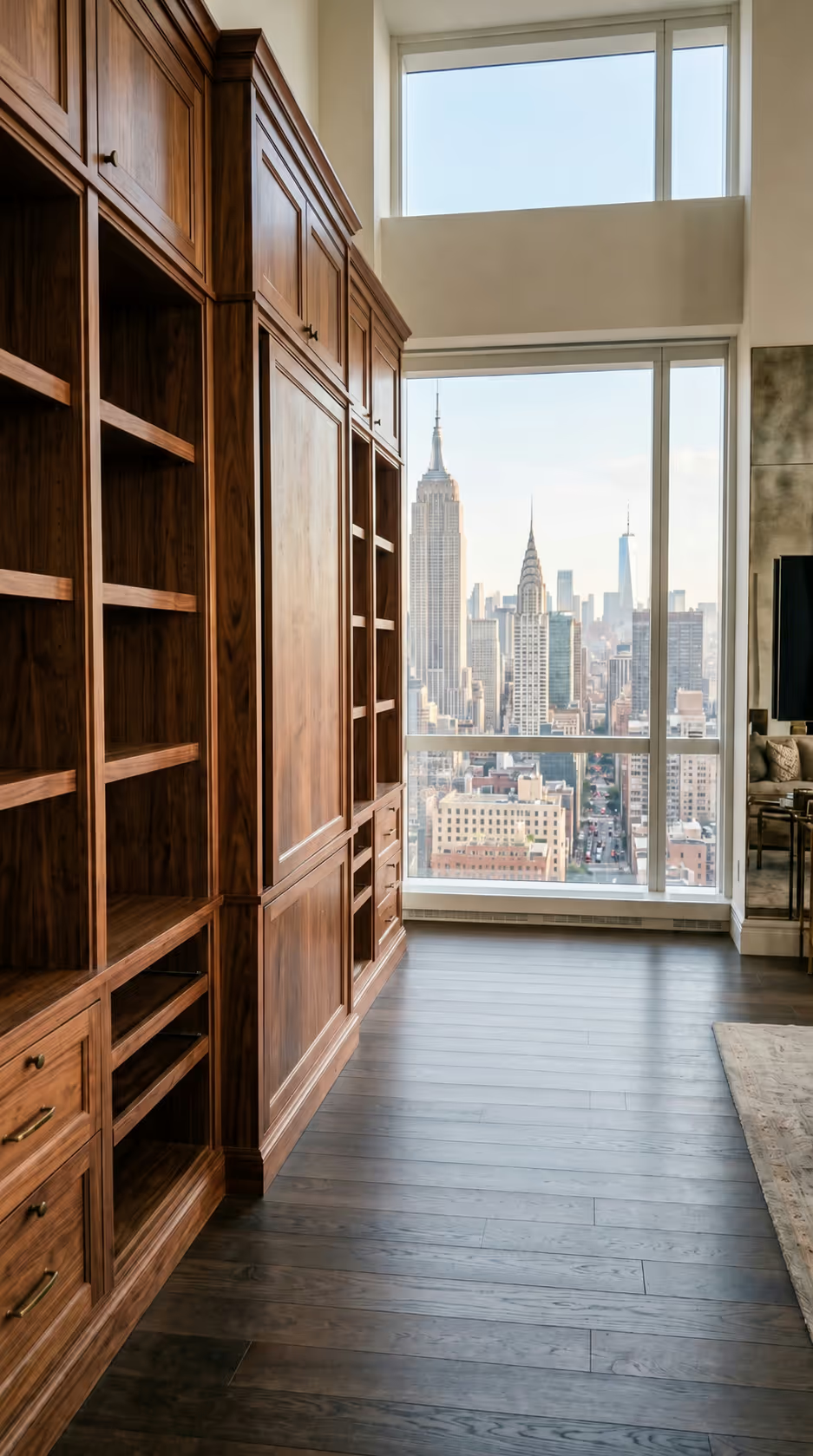
Installation
We install with care, coordinate with your building, and protect your home.
Good work depends on more than design alone. It also depends on proportion, material choice, build quality, and how cleanly everything comes together at the end. That full picture matters to us.
Frequently Asked Questions
Practical information about project scope, timelines, site visits, and working in New York City homes.
Ivenko Studio designs kitchen cabinetry, bookcases, media walls, living-room built-ins, custom closets, home office storage, radiator covers, HVAC enclosures, bathroom vanities, and other fitted millwork. The appropriate solution depends on the room, intended use, existing conditions, and project scope.
Yes. Bookcases can be developed around a collection, ceiling height, windows, fireplaces, doorways, radiators, lighting, and the proportions of the room. A project may combine open shelving with closed lower cabinets, drawers, display areas, or an integrated desk.
Yes. A living-room built-in may include shelving, television or audio equipment, cable management, ventilation, lighting, drawers, closed cabinets, and removable service access. These requirements should be identified before fabrication.
Yes. Cabinetry can be planned around books, games, toys, work materials, media equipment, coats, bags, and other items used in shared rooms. The design should provide enough closed storage while leaving the room visually comfortable.
Yes. Kitchen cabinetry can be developed around appliance specifications, pantry requirements, cooking and preparation routines, utilities, lighting, circulation, existing construction, and the relationship between the kitchen and adjoining rooms.
Yes. Projects may include reach-in closets, walk-in closets, dressing rooms, built-in bedroom storage, drawers, hanging sections, shoe storage, lighting, and upper cabinetry planned around daily routines.
Yes. Enclosures can be developed around airflow, valves, controls, filters, removable panels, service access, windows, and adjacent cabinetry. These technical requirements must be documented before fabrication.
Yes. Project planning may include certificates of insurance, management documentation, elevator reservations, stair access, delivery windows, protection of common areas, and building work rules. Responsibilities are confirmed for each property.
Yes. We can coordinate field conditions, cabinetry drawings, material references, appliances, equipment, lighting, hardware, approval points, fabrication requirements, and installation details with a wider residential design package.
Timing depends on measurement, design development, approvals, material availability, fabrication complexity, building access, site readiness, delivery, and installation. A project-specific schedule is established after the scope is understood.
Still Have a Question?
Call or email the studio, or use the project form above. We’ll help you understand whether Ivenko Studio is the right fit for your space, goals, and timeline.
Get in touch
Share your project details
and we'll respond promptly.
Custom Millwork for Upper West Side Homes That Are Fully Lived In
A home can collect a surprising number of things without becoming physically larger. Books move from one shelf to three. Media equipment changes. Children’s belongings, work materials, coats, serving pieces, kitchen appliances, and objects used only part of the year all need somewhere sensible to go.
Custom millwork can help without turning every room into a wall of cabinets. The useful question is not how much storage can be added. It is which items should remain visible, which should disappear behind doors, and where each category belongs in relation to the way the room is used.
Bookcases & Built-Ins for Shared Rooms
A living room may need to support reading, television, music, homework, work calls, games, and time with guests. Custom built-ins and bookcases can bring those functions together without requiring several unrelated pieces of furniture.
Open shelves can hold books, art, and objects that deserve to be seen. Lower cabinets can contain equipment, games, paperwork, toys, or household items that would otherwise remain in the room. Drawers, lighting, wiring, ventilation, and removable access panels can be incorporated where the contents require them.
The balance between open and closed storage is important. A bookcase filled entirely with doors can feel heavy, while an elevation made only from open shelves may leave everyday objects exposed. The right composition depends on what the room needs to hold and how much visual activity it can comfortably support.
Built-ins may also need to work around a fireplace, window, doorway, radiator, air-conditioning unit, or existing trim. Those conditions should influence the proportions and stopping points of the cabinetry instead of being concealed behind unnecessary material.
Kitchens That Reduce Daily Friction
Custom kitchen cabinetry should make frequently repeated tasks easier. Cookware should be close to where it is used. Pantry storage should be readable. Drawers should open without blocking circulation. Small appliances should have a practical place even when they are not attractive enough to remain on the counter.
A kitchen layout is therefore more than a sequence of cabinet widths. Appliance specifications, plumbing and electrical locations, ventilation, countertop conditions, lighting, clearances, preparation space, waste storage, and the relationship between the kitchen and nearby rooms all affect the cabinetry.
In an Upper West Side apartment, existing walls, floors, ceilings, trim, windows, or fixed utilities may not follow standard dimensions. Field measurement allows those conditions to be addressed in the drawings before fabrication instead of being covered with oversized fillers during installation.
Cabinetry can also extend beyond the immediate kitchen. A dining-room cabinet, breakfast-area bench, pantry wall, bookcase, or window composition may continue the same materials or proportions while serving a completely different purpose.
Closets Planned Around Real Belongings
Custom closets and built-in bedroom storage work best when the internal layout is based on actual categories and quantities. Long hanging, short hanging, drawers, shoes, bags, folded clothing, accessories, linens, and seasonal items all require different dimensions and types of access.
A generic pattern of equal shelves may look orderly in a drawing but fail to match what the homeowner owns. Door widths, drawer clearances, lighting, mirror placement, upper storage, ceiling height, and movement through the bedroom should all be considered before the closet enters fabrication.
The exterior matters as well. A closet can provide substantial capacity while remaining visually quiet. Panel divisions, handles, finish, and the relationship to nearby doors, trim, furniture, and walls determine whether it feels like part of the bedroom or a storage system placed inside it.
Radiators, Windows & the Space Between Them
Radiator covers and HVAC enclosures are often treated as small standalone objects, but they can affect an entire window wall. Airflow, valves, controls, filters, removable sections, and service access all need to remain functional.
When those requirements are documented early, the enclosure can be coordinated with a window seat, low bookcase, display surface, closed cabinet, or longer run of millwork. This makes better use of the wall while avoiding a collection of separate pieces with unrelated heights and materials.
The same principle applies to columns, shallow niches, exposed pipes, and changes in wall depth. A custom solution can absorb some irregularities, but it should not add cabinetry simply because an empty space exists.
One Direction Across Several Rooms
A larger project may connect a kitchen, living-room built-ins, bedroom closets, home office, window-wall cabinetry, and other custom millwork services.
These elements do not need to match exactly. The kitchen may require a more durable painted finish, the living room may introduce natural wood and display lighting, and the bedroom storage may remain quieter. Continuity can come from related proportions, panel lines, hardware, edge details, or the way each installation meets the architecture.
Good millwork depends on decisions made before fabrication: verified measurements, storage requirements, equipment information, drawings, materials, approvals, delivery access, and installation conditions. Review our design-to-install process to understand how those stages are coordinated.
The Upper West Side is part of Ivenko Studio’s wider Manhattan service area. Learn more about custom cabinetry and millwork across Manhattan, including work for apartments, co-ops, condos, lofts, and townhouses.
Explore completed cabinetry and millwork projects to see how kitchens, bookcases, closets, media storage, radiator covers, and architectural conditions come together in finished New York interiors. To discuss the room, photographs, available drawings, intended scope, and preferred schedule, start your Upper West Side millwork project.